Miami Beach Luxury Condos in 2026: The Insider’s Buyer’s Market Guide
If you have been watching Miami Beach luxury condos from the sidelines, 2026 is the year the data tilts decisively in your favor. With 19 months of supply in the $1M-plus segment, sellers now pricing to meet the market rather than lead it, and active inventory contracting for the first time since late 2024, qualified buyers have a negotiating window that the previous four years rarely opened. This guide covers exactly where prices stand by neighborhood, what Florida’s SB 4-D building safety law — which requires condo associations to complete structural inspections, fund reserves, and address deficiencies — means for your due diligence, which buildings represent the strongest opportunities, and how to move confidently in a market that still rewards preparation over impulse. Whether you are searching for Miami Beach luxury condos for sale under $2M or above $5M, the 2026 conditions favor the prepared buyer. Unlike most real estate guides, this page includes a live MLS search — browse every active listing in each price range directly below, updated in real time.
19mo
Luxury condo supply
(down from 22mo, Q1 2025)
13%
Sales increase YoY
Q1 2026, luxury tier
$2.69M
Avg Miami Beach list price
(up 3% YoY, all condos)
40%+
Cash closes above $1M
Miami-Dade County
Why This Is a Buyer’s Market — and What That Actually Means
A “buyer’s market” in Miami Beach has a specific meaning that gets lost in casual conversation. A balanced market sits between 9 and 12 months of supply. Anything above 12 months signals excess inventory relative to demand, which transfers pricing leverage to buyers. A buyer’s market is defined as a market with more than 6 months of available supply relative to demand. Miami’s luxury condo inventory in 2026 sits at 19 months — more than three times that threshold. Miami Beach closed Q1 2026 with 19 months of luxury supply — the fourth consecutive quarter above that threshold. Miami condo inventory in 2026 is the highest since the post-financial-crisis era, and the buyer’s market in Miami is as pronounced as it has been in over a decade.
What this translates to on the ground: buyers are currently closing at 5 to 7 percent below asking price on average, sellers are accepting contingencies they would have rejected in 2022 and 2023, and days on market have lengthened enough that patient buyers can conduct proper due diligence without fear of being outbid. Inventory is contracting. Active condo listings in Miami-Dade hit 2,349 in early spring 2026 — the lowest count since November 2024. The buyer’s market is real, but it is not permanent. Buyers who act in the second half of 2026 are likely to have more leverage than those who wait for 2027.
One useful tool while you search: the 100 Biggest Price Drops in Miami page on this site is updated in real time from MLS data and shows exactly which sellers have already moved their price expectations. It is often the most honest window into where the market actually is.
Miami Beach Condo Prices by Neighborhood in 2026
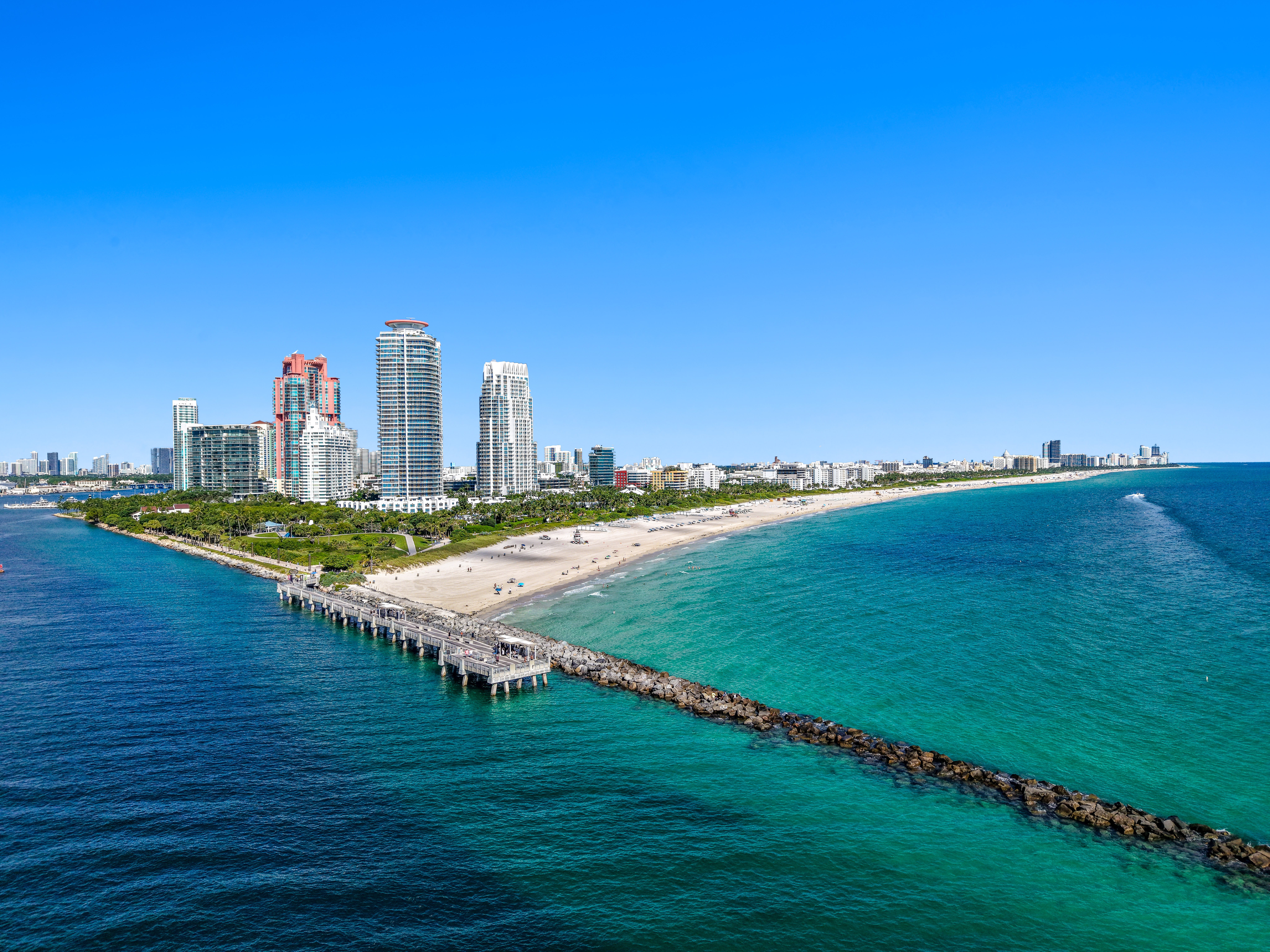
Miami Beach is not a single market — it is a collection of micro-markets with meaningfully different price points, inventory levels, and buyer profiles. The table below summarizes the key metrics for each submarket as of mid-2026.
Listing prices sourced from MLS and are subject to change without notice. Contact David for current pricing and availability.
Browse Active Miami Beach Luxury Listings
Live MLS data — updated in real time. Use the tabs to explore by category or use the filters to narrow by bedrooms, price, zip code, and more.
Listing prices sourced from MLS and are subject to change without notice. Contact David for current pricing and availability.
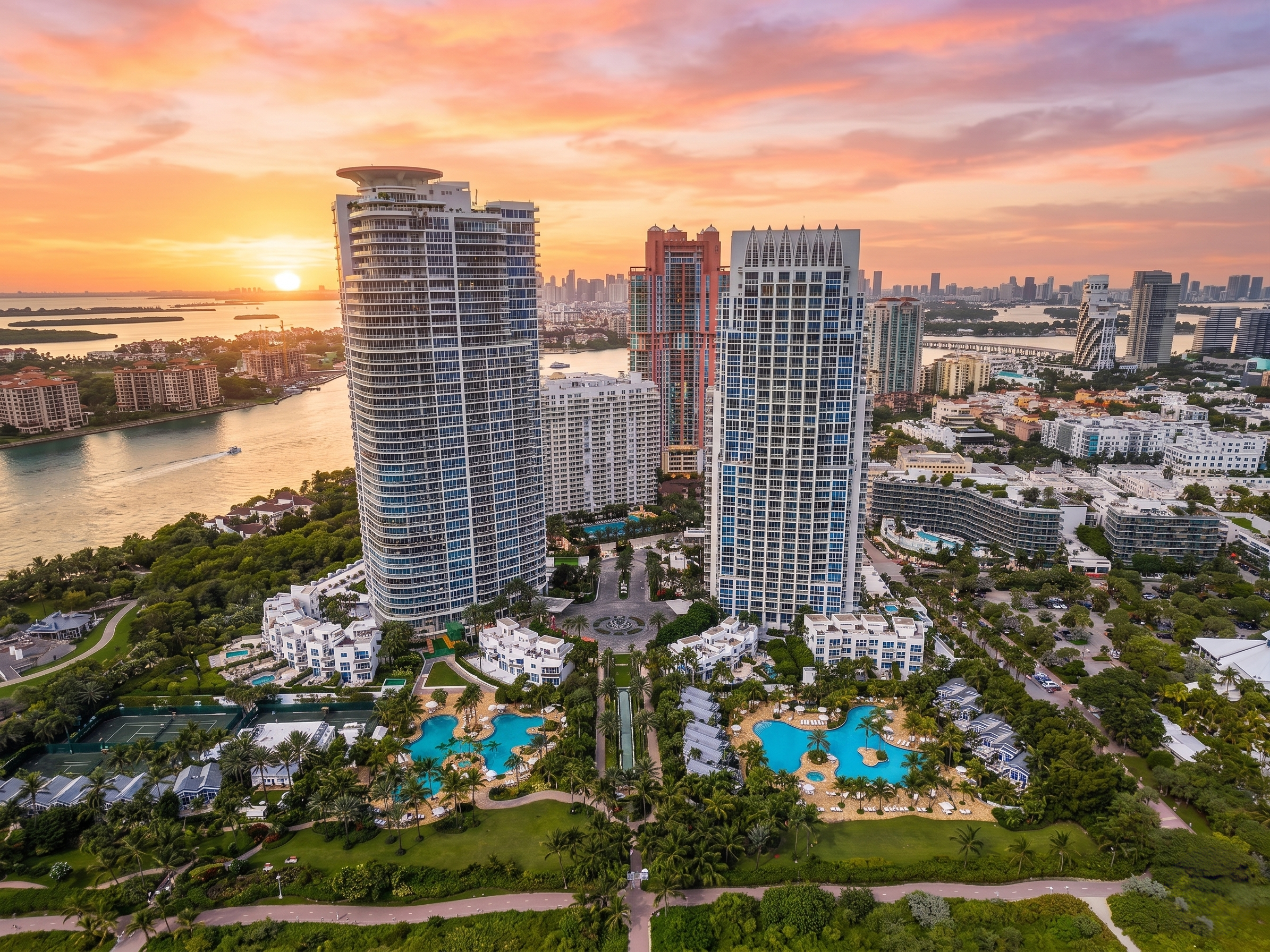
Fisher Island commands serious attention — access-controlled by private ferry, with finite land and no new supply, it recorded 19% year-over-year price-per-square-foot appreciation in Q1 2026, averaging approximately $2,400–$2,800 per square foot in recent closed sales. Fisher Island is not the ceiling in Miami’s luxury condo market by price per square foot. Ultra-premium buildings in South Beach and Mid-Beach have transacted at materially higher levels: The Perigon at Mid-Beach averages above $5,500 per square foot in current listings, the forthcoming Ritz-Carlton Residences South Beach is pricing at $4,000–$5,500 per square foot, and Continuum South Beach has seen recent closings at $3,900 per square foot. Fisher Island’s premium is its exclusivity and land scarcity — if absolute privacy and an address that cannot be replicated is the priority, inventory there rarely waits regardless of price tier.
For buyers interested in Miami Beach penthouses specifically, the $3M to $8M range in South Beach and Mid-Beach currently offers the widest selection the market has seen in several years. Many sellers in this tier purchased during the 2021–2022 peak and are now repricing to move.
The SB 4-D Factor: What Every Condo Buyer Must Know in 2026
Florida’s Senate Bill 4-D — the Building Safety Act passed in the wake of the 2021 Surfside tragedy — is now the single most consequential due diligence variable for Miami Beach condo buyers in 2026. Understanding it is non-negotiable before making an offer on any building constructed before 2000.
The law requires condominium buildings three stories or taller to complete a structural milestone inspection at 30 years of age, with coastal buildings required to do so at 25 years. Beginning January 1, 2026, all associations must fund structural integrity reserve studies (SIRS) fully — they can no longer waive these reserves by owner vote. The financial consequence is significant: buildings constructed between approximately 1975 and 1995 are now issuing special assessments ranging from $30,000 to $75,000 per unit, with some combined roof, concrete restoration, and waterproofing projects exceeding $100,000 per unit in oceanfront towers.
Before closing on any pre-2000 building, a buyer should request and review: the most recent milestone inspection report, the SIRS reserve study, the current reserve fund balance, and a 12-month history of association financials. Florida law gives buyers seven business days after receiving these governing documents to cancel the contract with no penalty. That window is your protection — use it, and ensure your attorney starts the clock from the day you actually receive the documents, not from the contract effective date.
Buildings constructed after 2000 — and especially new construction from 2020 onward — carry none of this legacy compliance risk. This is one structural reason new development on Miami Beach commands a premium: buyers are paying partly for certainty.
DUE DILIGENCE
Get a Full Building Assessment Before You Buy
David reviews SB 4-D compliance status, HOA reserve levels, and pending assessments as part of every advisory engagement — before you make an offer, not after. Reach out for a private consultation on any building you are considering.
Speak with David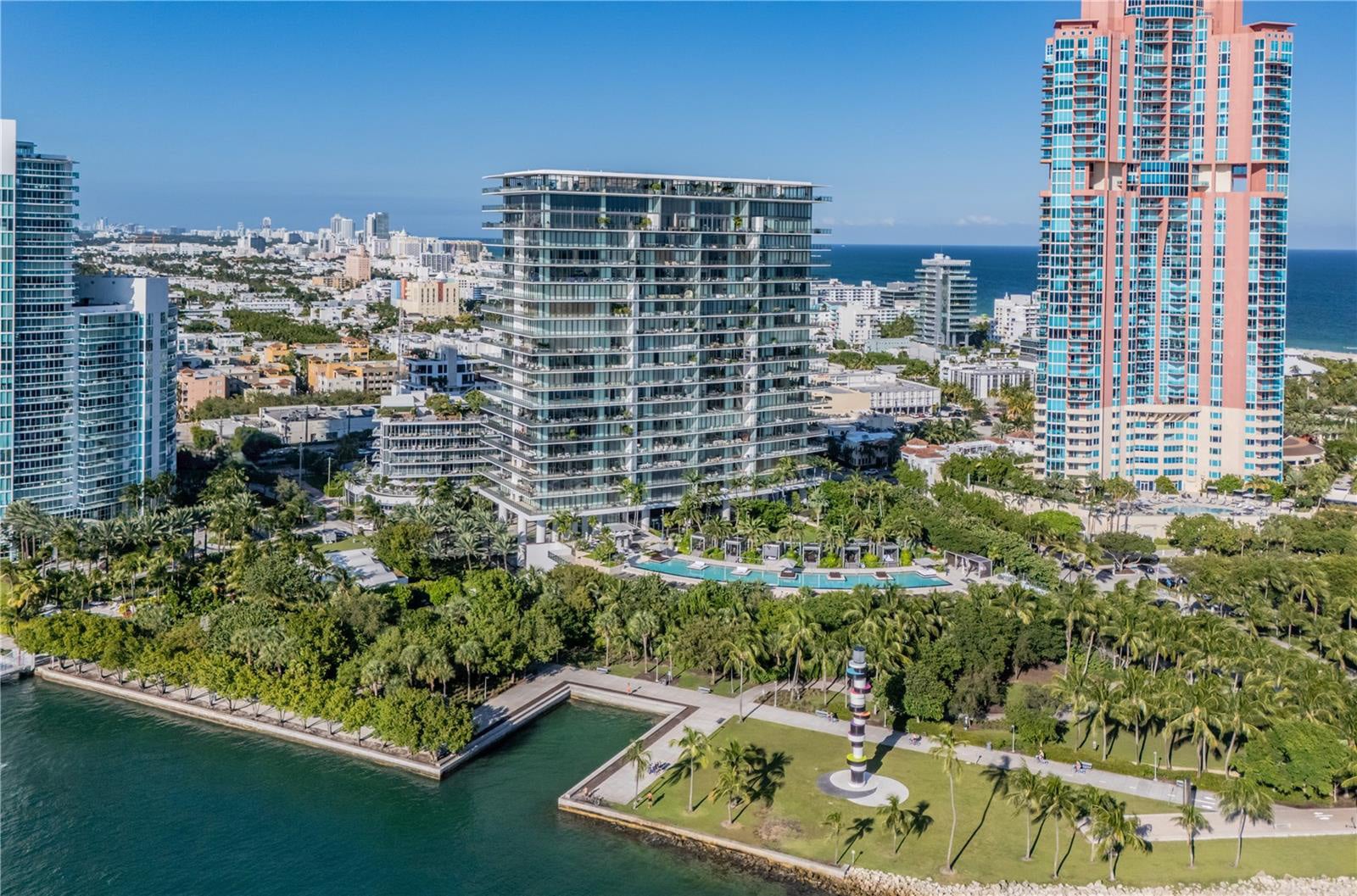
Buildings Worth Watching in Mid-2026
Not all buildings are created equal in the current market. Several stand out for different buyer profiles.
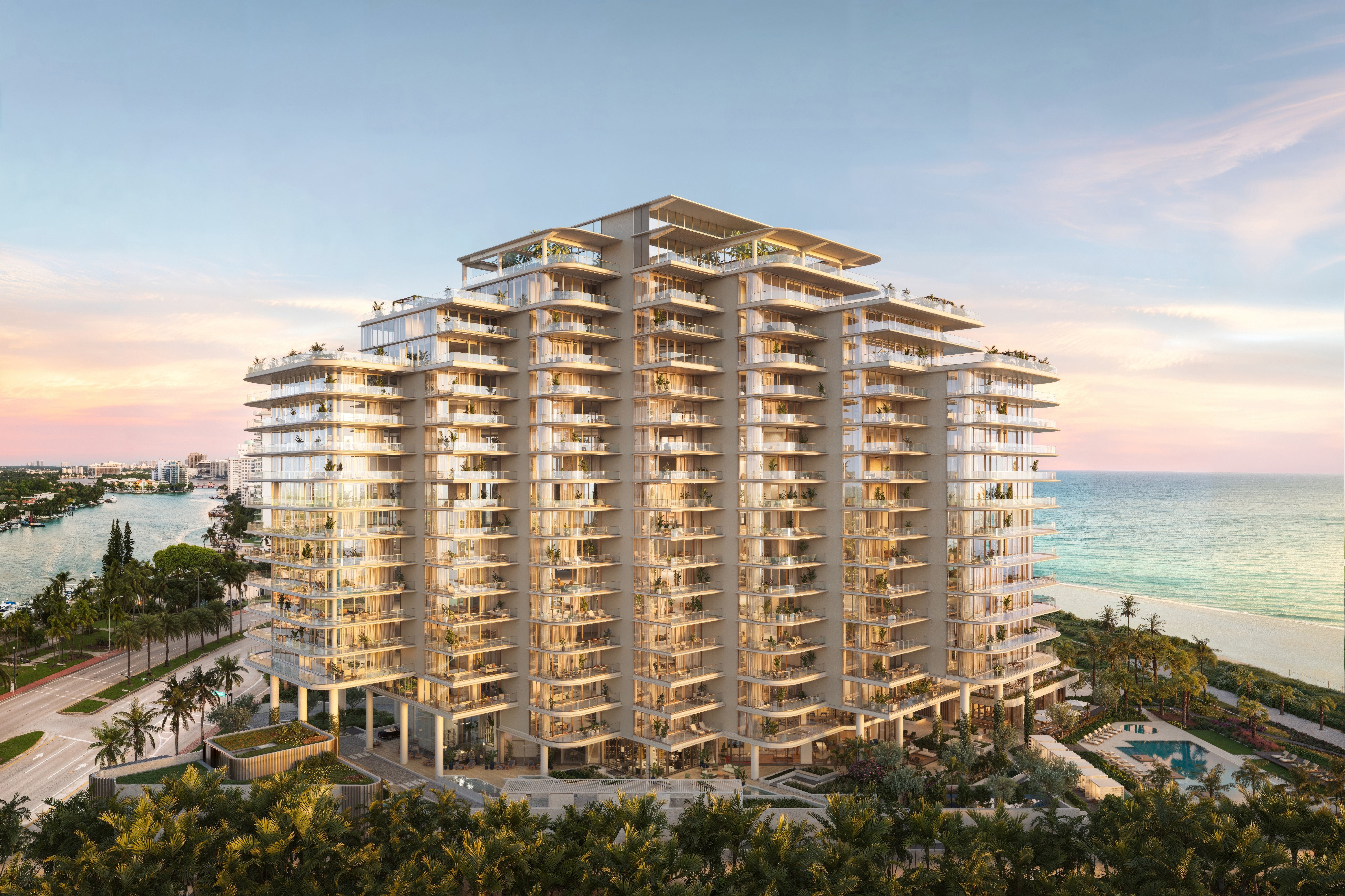
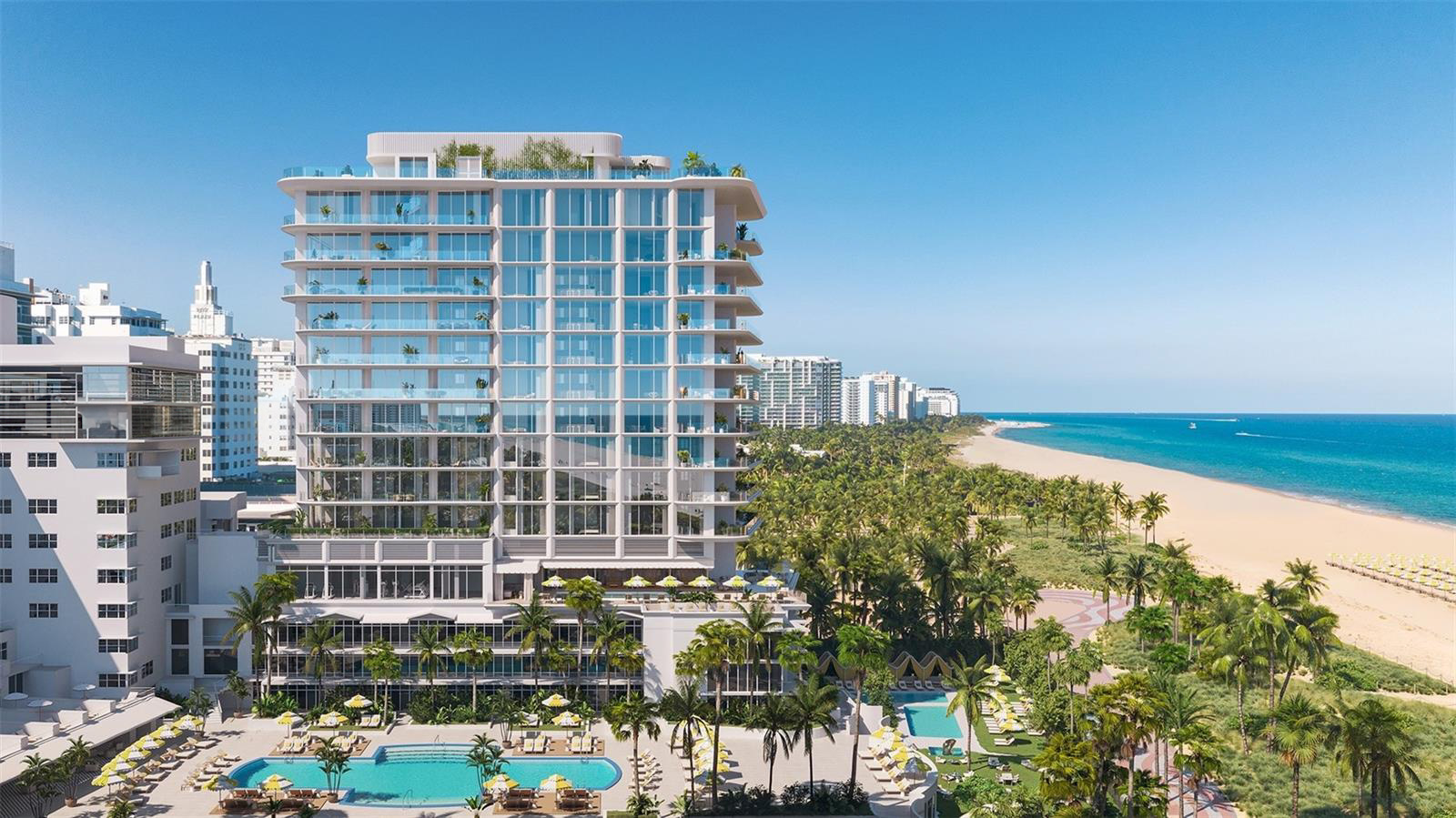
The Perigon, Miami Beach. One of the most anticipated oceanfront projects to come to market in years. The Perigon at 5333 Collins Avenue delivers 73 residences across 17 floors with direct oceanfront positioning, interiors by Tara Bernerd, and amenities designed around privacy and wellness. For buyers who want oceanfront on Miami Beach without the scale of a 400-unit tower, this building occupies a rare category.
Five Park, Miami Beach. Five Park at the entrance to South Beach represents a new urban model for the area — a 48-story tower with park, marina, and bay views, positioned at the South of Fifth neighborhood that has become Miami Beach’s most curated residential enclave. Resale activity is beginning to develop as early buyers cycle out.
Continuum South Beach. The resale market at Continuum on the south tip of Miami Beach remains one of the most liquid luxury condo markets on the island. Its 12-acre private beach and tennis complex command consistent demand, and resale pricing in 2026 reflects the broader softening — buyers have genuine negotiating room in a building that historically held value well.
Faena Miami Beach. Faena House operates in its own category. The 18-story building on Collins Avenue has produced some of Miami Beach’s most significant per-unit sales, and resale opportunities here are rare. When units come to market, they tend to sell quickly relative to the broader inventory environment.
For the broadest view of what is currently active across Miami Beach, the 100 Newest Listings page is updated in real time and sorted by most recently listed.
FEATURED LISTINGS
South Beach Condos & South of Fifth
From $1,200,000
South Beach and the South of Fifth enclave offer the widest selection of ocean-view and bay-view condos currently in a buyer’s market. Entry-level luxury from $1.2M with meaningful negotiating room on most listings.
Waterfront Condos Mid-Beach
Miami Beach waterfront homes and condos in the Mid-Beach corridor offer Intracoastal and bay access with privacy and scale not available in the denser South Beach market. From $2M.
Penthouses Miami Beach
The $3M–$8M penthouse tier is currently one of the best-priced segments on Miami Beach. Many sellers in this range purchased at peak 2021–2022 pricing and are negotiating. From $3M.
Listing prices sourced from MLS and are subject to change without notice. Contact David for current pricing and availability.
Request a Private Showing
Cash Buyers, Financing, and How the Numbers Work in 2026
Over 40 percent of luxury condo transactions above $1 million in Miami-Dade County close in cash — and above $5 million, that figure exceeds 70 percent. This shapes how the market moves, how quickly listings close, and what leverage financed buyers have when competing for the same properties.
For buyers using financing, the current rate environment — with 30-year jumbo rates in the mid-6 percent range through mid-2026 — is meaningfully better than the 7.5 to 8 percent peak of late 2023. Monthly payments on a $2M purchase with 30 percent down are now approximately $9,800 per month at prevailing rates, compared to over $11,200 eighteen months ago. That delta — roughly $17,000 per year — has brought financed buyers back into conversations they had previously exited.
Financed buyers competing against cash offers can strengthen their position by having full pre-approval documentation ready before making an offer, reducing inspection contingency periods where feasible, and being flexible on closing timelines — sellers often want certainty on date as much as on price.
New Construction vs. Resale: Where the Opportunity Sits in 2026
Miami Beach new construction condos and resale inventory each carry distinct advantages in 2026, and the question of which to pursue is one David hears from almost every buyer — and the honest answer depends on the buyer’s timeline, tolerance for SB 4-D risk, and how much weight they place on customization versus immediacy. Buyers who want to buy a condo in Miami Beach in 2026 have more negotiating leverage on resale, while new construction offers fixed pricing with developer incentives.
New construction advantages: No SB 4-D compliance uncertainty, no deferred maintenance, modern floor plans and amenities, and in some cases developer incentives on remaining inventory. Miami’s new construction pipeline has delivered exceptional product — from The Perigon and Five Park on Miami Beach to Waldorf Astoria and Baccarat Residences in Brickell.
Resale advantages: Immediate occupancy, established HOA financial history, an existing community, and — in 2026 specifically — genuine pricing flexibility that developers rarely offer on new product. A resale unit in a Tier 1 building with a clean SB 4-D inspection and fully funded reserves is often the best value per square foot available in the market today.
NEW DEVELOPMENT
Explore Miami’s New Construction Pipeline
David works with the full range of new development projects across Miami Beach, Brickell, Sunny Isles, and Bal Harbour — and can provide pre-sales access and developer introductions for qualified buyers before units hit public inventory.
Request New Development DetailsFrequently Asked Questions
Is now a good time to buy a luxury condo in Miami Beach?
Yes, based on current data. Miami Beach’s luxury condo segment has maintained 19 months of supply through Q1 2026, well above the 9–12 month balanced-market range. Buyers are closing at 5 to 7 percent below asking on average, and sellers are accepting contingencies and timelines they rejected in 2021 and 2022. Inventory has been contracting since late 2024. The window is open, but narrowing.
What is the average price per square foot for Miami Beach luxury condos in 2026?
Across all Miami Beach listings, the average is approximately $1,063 per square foot as of mid-2026. South Beach and Mid-Beach properties trade between $1,100 and $1,600 per square foot depending on building, floor, and view. Fisher Island sits above $2,700 per square foot. Brickell on the mainland ranges from $1,200 to $1,500 per square foot for newer inventory.
What is Florida SB 4-D and how does it affect condo buyers?
Florida Senate Bill 4-D requires condominium buildings three stories or taller to complete structural milestone inspections at 30 years of age (25 years for coastal buildings) and to fully fund structural integrity reserve studies beginning January 2026. Buildings constructed between 1975 and 1995 may carry pending special assessments of $30,000 to $100,000 or more per unit. Reviewing the association’s reserve study, inspection report, and financials before closing is essential in 2026.
What is the entry price for a luxury condo on Miami Beach in 2026?
In South Beach, entry-level luxury condos start at approximately $1.2 million for a well-positioned one-bedroom in an established building. Mid-Beach and Surfside start closer to $1.5 to $2 million. Fisher Island and South of Fifth buildings typically begin above $3 million. South Beach listings in the $1M to $2M range represent some of the most competitive options available right now.
How do I access off-market listings in Miami Beach?
The most sought-after properties in Miami Beach frequently change hands before reaching the public MLS. Access requires relationships with listing agents, building concierges, and advisors in the network. David Nguah maintains active relationships across the Miami Beach luxury market and can surface off-market opportunities for qualified buyers. Contact David directly at (786) 200-3966 or info@miamisrealestate.com.
Can I search available Miami Beach condos on this page?
Yes — the live listing search embedded above is updated in real time from the MLS. Unlike most real estate blogs, you can browse, filter, and view active listings directly here without leaving the page. Use the tabs to explore by neighborhood and price tier, or expand the filters for bedrooms, waterfront access, and more. For off-market properties, contact David directly.