No Comments

Miami Luxury Condo Construction Defects: What Buyers Need to Know in 2026

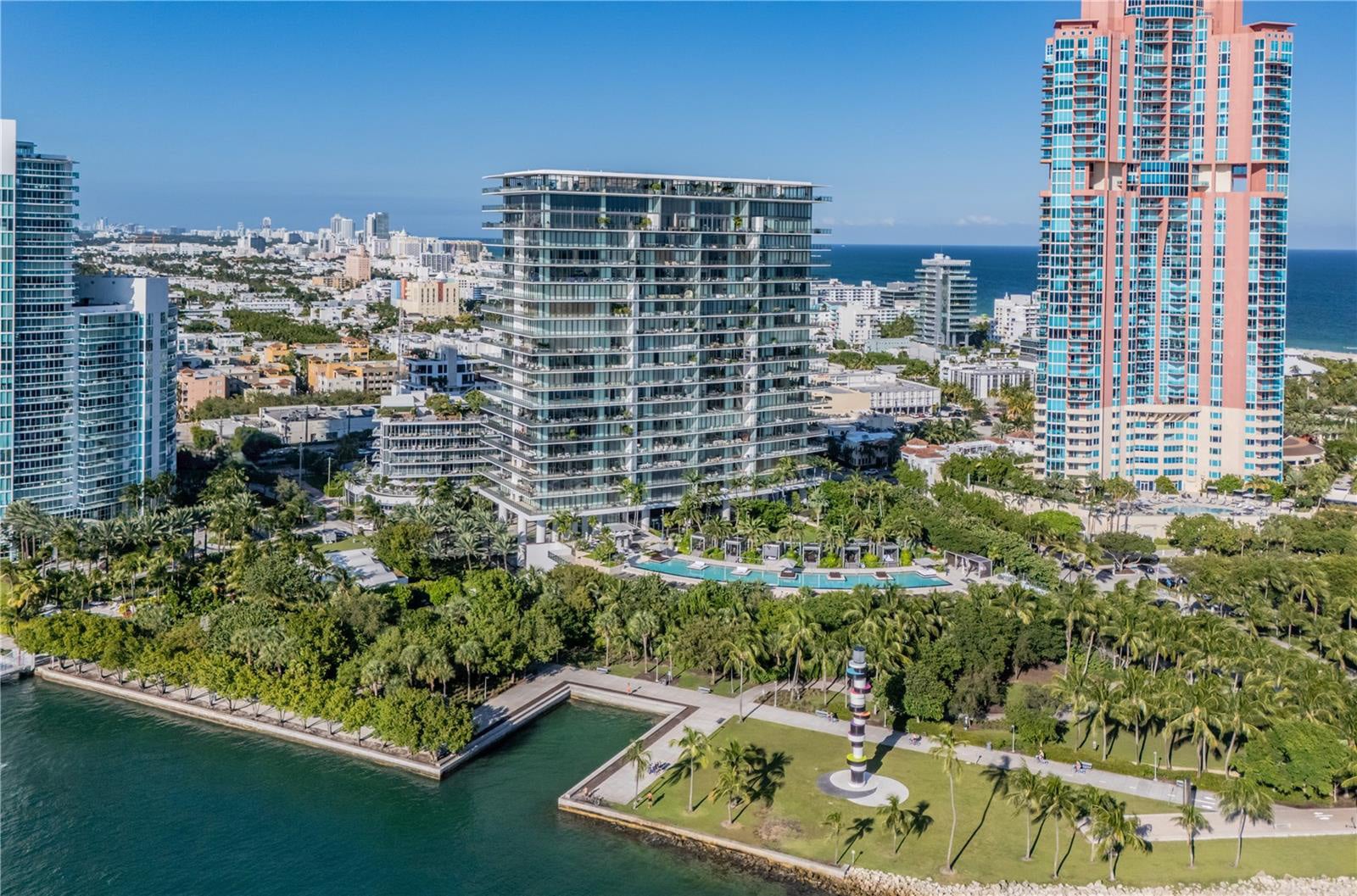
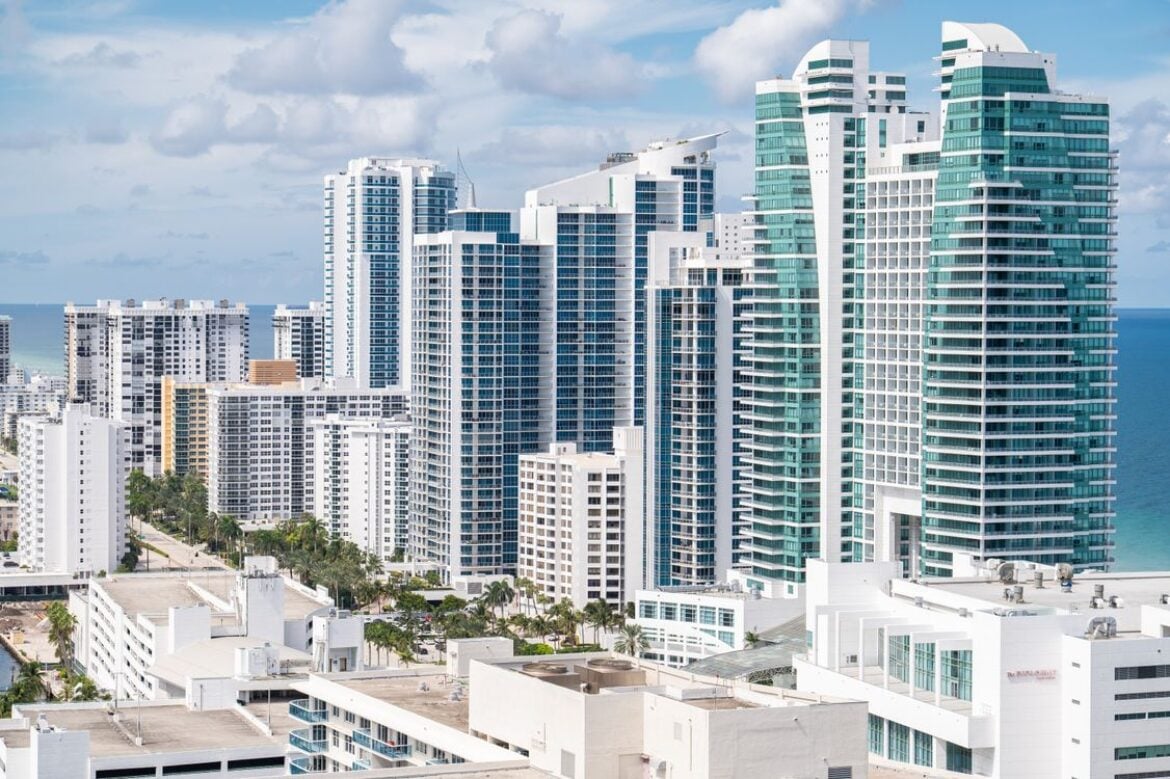
Miami luxury condo towers along the waterfront skyline where construction defect lawsuits are emerging in 2026

Miami Luxury Condo Construction Defects: What Buyers Need to Know in 2026

Miami’s luxury condo market is booming – Q2 2026 recorded 1,461 sales with average prices up 14.5% year-over-year. But behind the gleaming facades of some of the city’s most prestigious branded residences, a troubling pattern is emerging. In the first five months of 2026 alone, condo associations at three newly built luxury towers have filed lawsuits against their developers, alleging everything from cracked concrete and water intrusion to missing amenities and defective fire safety systems. These Miami condo construction defects have sent shockwaves through the luxury real estate market.

For high-net-worth buyers considering a Miami luxury condo purchase, these lawsuits are a wake-up call. Here’s what you need to know about the Miami condo construction defects wave, which buildings are affected, and how to protect yourself before signing on the dotted line.

In This Article

Miami Condo Construction Defects in 2026: Which Buildings Are Affected?

Three high-profile branded luxury towers in Miami are now embroiled in construction defect litigation, each alleging serious structural and design failures that have shocked residents who paid millions for their units.

Aston Martin Residences – Downtown Miami

The world’s first Aston Martin-branded residential tower, a 66-story, $1 billion development at 300 Biscayne Boulevard Way, faces two separate lawsuits filed within ten weeks of each other. The first, filed in February 2026, alleges fraud, self-dealing, and the omission of promised amenities including a marina and helipad. The second, filed April 15 under Florida Statute 558, targets an affiliate of G&G Business Developments, general contractor Coastal Construction, Revuelta Architecture International, and approximately a dozen subcontractors.

The defects alleged are extensive: cracked concrete on balconies, exposed post-tension tendons, waterproofing failures, seawall cracks and corrosion, elevator defects, fire system leaks, pool and spa waterproofing failures, a drooping balcony, loose fire sprinkler joints, and water intrusion throughout the building. The association is seeking at least $750,000 in damages and court-ordered repairs.

Missoni Baia – Edgewater

The 60-story, 249-unit Missoni Baia tower in Edgewater is facing a lawsuit filed January 30, 2026, by the 700 Edgewater Condominium Association in Miami-Dade Circuit Court. The complaint names OKO Group, design firms Asymptote and Revuelta, general contractor Civic Construction, and 19 subcontractors.

The association’s complaint lists a staggering 76 alleged construction and design defects, including cracks in floor slabs, foundations, and columns; water intrusion in units, stairwells, and the parking garage; defective fire-alarm devices and sprinklers; leaks in pool plumbing; portions of the tower lacking hot water; and non-functioning elevators. For a building where units sold from $600,000 to over $4 million, these allegations are deeply concerning.

Amrit Ocean Resort – Singer Island

The Amrit Ocean Resort & Residences, a wellness-focused luxury development on Singer Island, has also joined the wave of litigation. While details are still emerging, the condo association has filed suit after completing the mandatory Chapter 558 pre-suit process, alleging construction defects similar in nature to those at the other two towers.

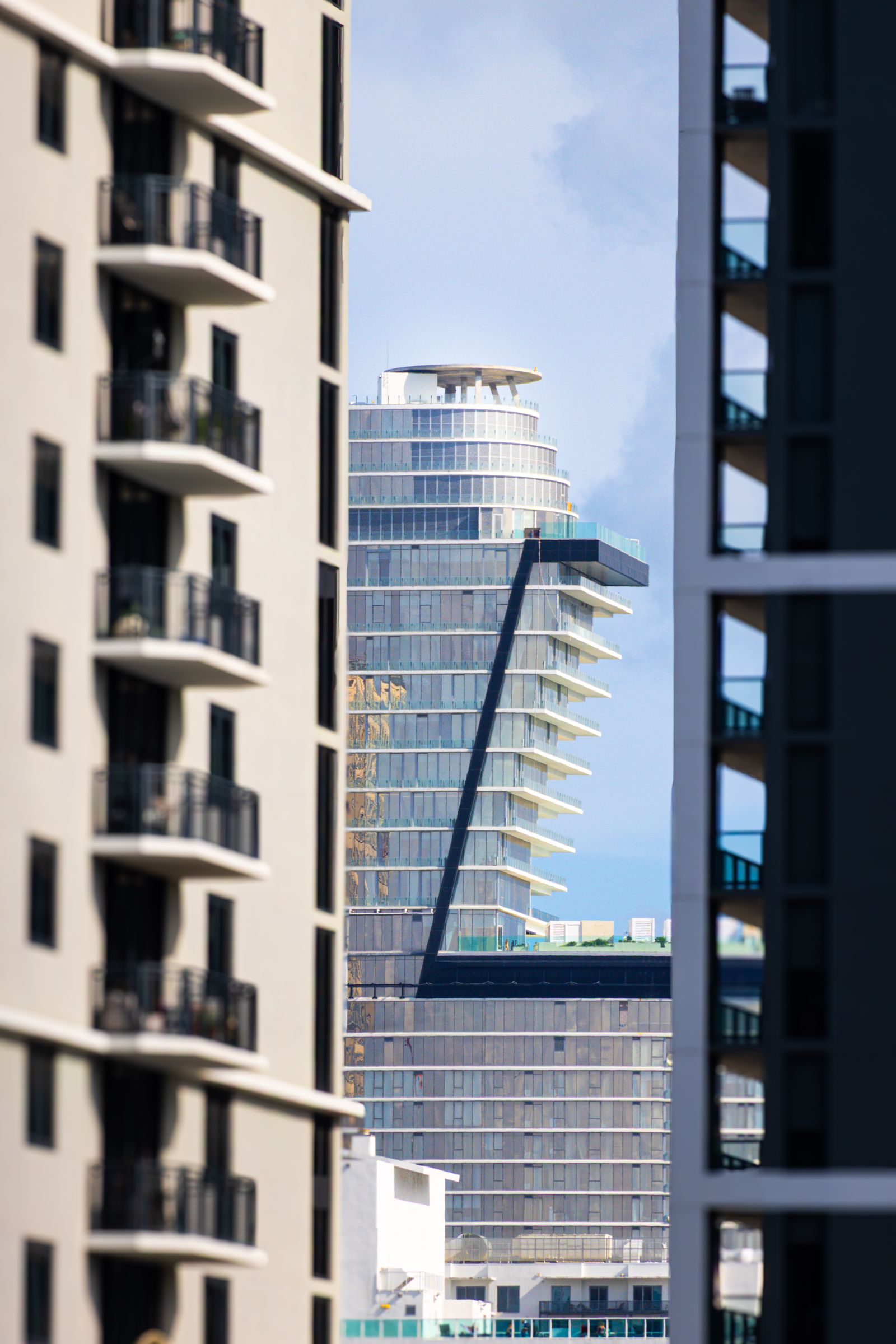
Modern Miami condo buildings where construction defect inspections are now critical for buyers
Buyers considering Miami condos in 2026 should prioritize independent construction inspections before closing.

Why Are Miami Condo Construction Defects Happening Now?

Miami’s construction defect wave didn’t happen in a vacuum. Several factors converged to create what insurance experts are calling “ground zero” for construction litigation in the United States.

The pandemic-era building boom. Between 2020 and 2024, developers raced to meet explosive demand from buyers fleeing high-tax states like New York and California for Miami. This urgency led to compressed construction timelines, labor shortages, and in some cases, the use of cheaper materials than originally specified.

Supply chain disruptions. COVID-era supply chain issues forced builders to substitute materials and scramble for available subcontractors, sometimes compromising quality control standards that luxury buyers expect.

Florida’s statute of limitations. Under Florida law, condo associations have a limited window to identify and file claims for construction defects – typically within 10 years of substantial completion. As pandemic-era towers complete their turnover to resident-controlled boards, these boards are hiring engineers to inspect their buildings and discovering problems that were previously hidden or ignored.

Post-Surfside scrutiny. The tragic collapse of Champlain Towers South in 2021 fundamentally changed how Florida approaches building safety. New legislation requires more rigorous inspections, and condo boards are taking their oversight responsibilities far more seriously.

How Miami Condo Construction Defects Affect Insurance and Property Values

Miami condo construction defects and lawsuits don’t just affect the buildings named in the complaints. According to Bisnow, these lawsuits are driving up liability insurance costs across the entire South Florida development industry. Insurance experts predict the litigation will “continue to spike for the next several years,” creating a ripple effect that touches every new project in the pipeline.

For current owners in affected buildings, the consequences are immediate: special assessments to fund litigation, uncertainty about property values during ongoing lawsuits, and the inconvenience of living through repairs. For prospective buyers, these cases underscore the importance of thorough due diligence before purchasing in any new development condo.

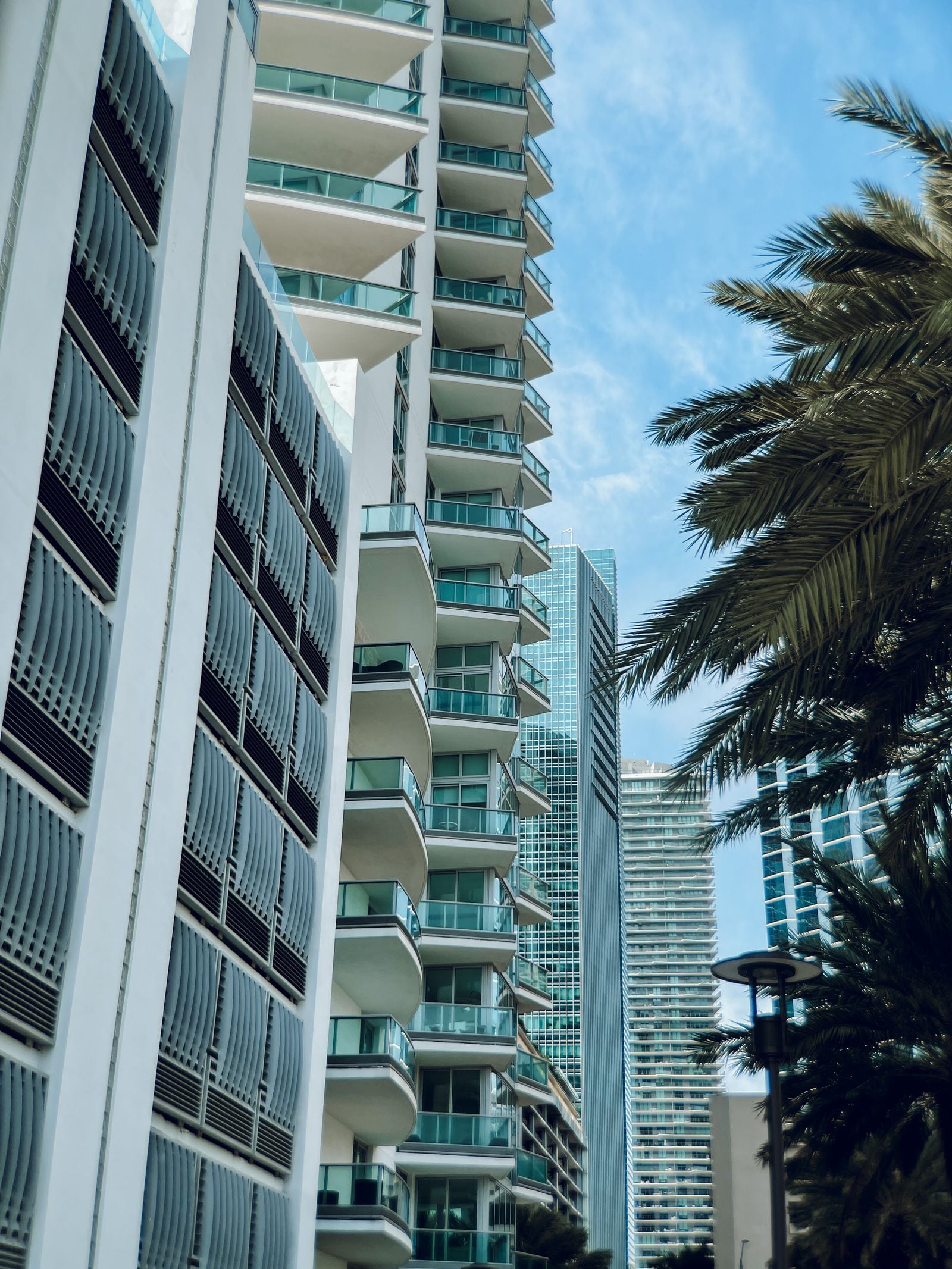
Miami luxury highrise condo with balconies — a building type facing rising insurance costs from construction defects
Balcony and facade defects are among the most common construction issues driving insurance costs higher in Miami luxury condos.

Protecting Yourself from Miami Condo Construction Defects: A Buyer’s Due Diligence Checklist

The construction defect wave doesn’t mean you should avoid Miami luxury condos – the market fundamentals remain strong, with inventory tightening and prices appreciating across premium neighborhoods. But it does mean buyers should be more strategic than ever. Here’s what smart buyers are doing:

1. Research the developer’s track record. Look beyond the brand name on the building. Who is the actual developer? What other projects have they completed? Have any of their previous buildings faced litigation? A name like Aston Martin or Missoni on the facade doesn’t guarantee the construction quality matches the brand’s reputation – the automobile or fashion company typically licenses its name but doesn’t oversee construction.

2. Review the general contractor. The general contractor is the entity responsible for day-to-day construction quality. Research their history, safety record, and whether they’ve been involved in previous defect claims.

3. Hire an independent inspector. Before closing on a new construction unit, hire your own licensed engineer or inspector to conduct a thorough walkthrough. Don’t rely solely on the developer’s punch list process.

4. Read the condo documents carefully. Pay close attention to the declaration of condominium, the developer’s warranty provisions, and any arbitration clauses that might limit your legal options. A qualified real estate attorney is essential for this review.

5. Check the building’s reserve study and insurance. For existing buildings, request the most recent reserve study and insurance documentation. Underfunded reserves or unusually high insurance premiums can be red flags.

6. Work with an experienced luxury real estate advisor. An advisor who specializes in Miami’s luxury market can provide insights into developer reputations, building quality, and potential risks that you won’t find in marketing brochures. Contact David Nguah at Douglas Elliman for expert guidance on navigating Miami’s luxury condo market.

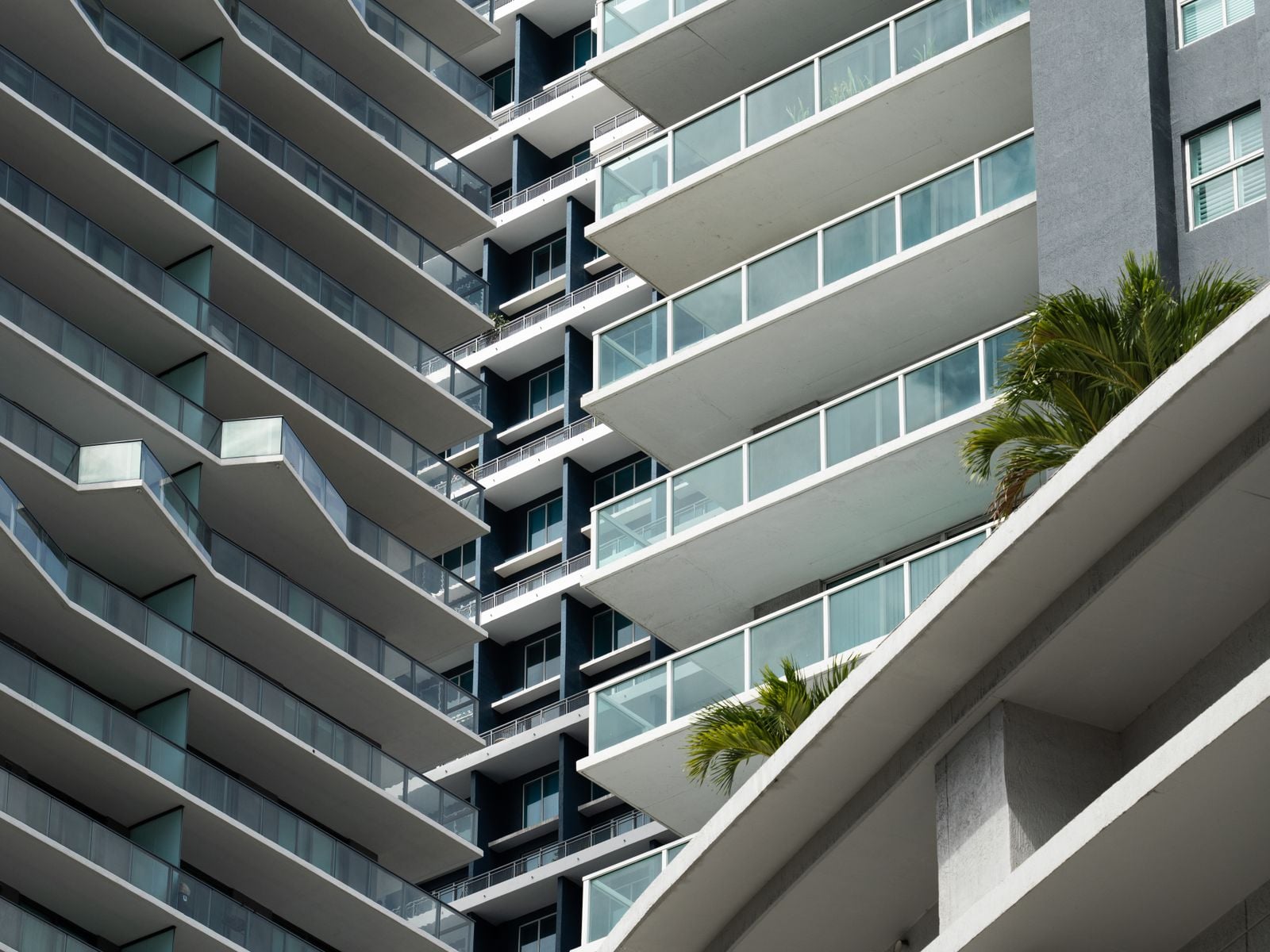
Close-up of a modern Miami condo facade highlighting construction quality concerns in 2026
Facade quality and waterproofing are at the center of multiple Miami condo construction defect lawsuits in 2026.

Which Miami Luxury Condos Are Getting It Right?

While the headlines focus on problematic buildings, it’s important to recognize that many Miami luxury developments are delivering exceptional quality. Buildings with established developer track records and top-tier general contractors continue to set the standard for luxury living.

Developments like The Perigon Miami Beach, which topped off in March 2026, and St. Regis Brickell are being developed by teams with deep experience in ultra-luxury construction. Baccarat Residences Miami and Rivage Bal Harbour have also attracted buyers who value proven quality over flashy branding.

The key differentiator? Developer experience and reputation. Buyers who focus on the people behind the project rather than the logo on the building tend to fare better in the long run. Buildings on Fisher Island, in South Beach, and along the Miami Beach waterfront continue to command premium prices because of consistent construction quality and established management.

What This Means for Miami’s Luxury Market Going Forward

Despite the litigation, Miami’s luxury real estate market shows no signs of slowing. Q2 2026 data confirms average prices are up 14.5% year-over-year, and the ultra-luxury segment ($10M+) is on pace for nearly 430 transactions by year’s end. Miami’s most expensive properties continue to attract global wealth.

The construction defect wave may actually strengthen the market in the long run by raising quality standards across the industry. Developers who cut corners will face consequences, and buyers are becoming more sophisticated about evaluating what they’re purchasing. Despite these Miami condo construction defects, the branded residences trend isn’t going away – but the expectation of accountability is growing.

For buyers considering Miami penthouses or luxury condos in Brickell, Miami Beach, or Bal Harbour, the message is clear: do your homework, work with an experienced advisor, and don’t let a famous brand name substitute for genuine due diligence.

Frequently Asked Questions About Miami Condo Construction Defects

Which Miami luxury condos have construction defect lawsuits in 2026?

Three major Miami luxury condo towers are currently facing construction defect lawsuits: Aston Martin Residences in Downtown Miami (66 stories, filed February 2026), Missoni Baia in Edgewater (60 stories, 76 alleged defects, filed January 2026), and Amrit Ocean Resort on Singer Island. All three lawsuits allege issues including cracked concrete, water intrusion, and defective fire safety systems.

How can I protect myself when buying a Miami luxury condo?

Smart buyers follow a six-step due diligence checklist: research the developer’s track record beyond the brand name, investigate the general contractor’s history, hire an independent licensed engineer for a pre-closing inspection, have a real estate attorney review all condo documents, check the building’s reserve study and insurance documentation, and work with an experienced luxury real estate advisor who knows developer reputations firsthand.

Do construction defect lawsuits affect Miami condo property values?

Yes. Buildings involved in active litigation often face special assessments, uncertainty about property values, and rising liability insurance premiums. However, the broader Miami luxury market remains strong — Q2 2026 shows prices up 14.5% year-over-year. The impact is concentrated on the specific buildings named in lawsuits, not the market as a whole.

Contact David Nguah – Your Miami Luxury Real Estate Advisor

Navigating Miami’s luxury condo market requires more than browsing listings – it requires an advisor who understands developer reputations, construction quality, and the nuances that separate a great investment from a costly mistake. David Nguah at Douglas Elliman brings deep market expertise and a commitment to protecting his clients’ interests.

Whether you’re buying your first Miami luxury condo or adding to your portfolio, David provides the insight and guidance you need to make confident decisions. Contact David Nguah at (786) 200-3966 or info@miamisrealestate.com for a confidential consultation.

David Nguah GroupDouglas Elliman Real Estate
David Nguah · Luxury Real Estate Advisor
Douglas Elliman Real Estate
© 2026 David Nguah Group · Douglas Elliman Real Estate
No Comments

Why Wealthy Buyers Are Leaving New York and California for Miami in 2026

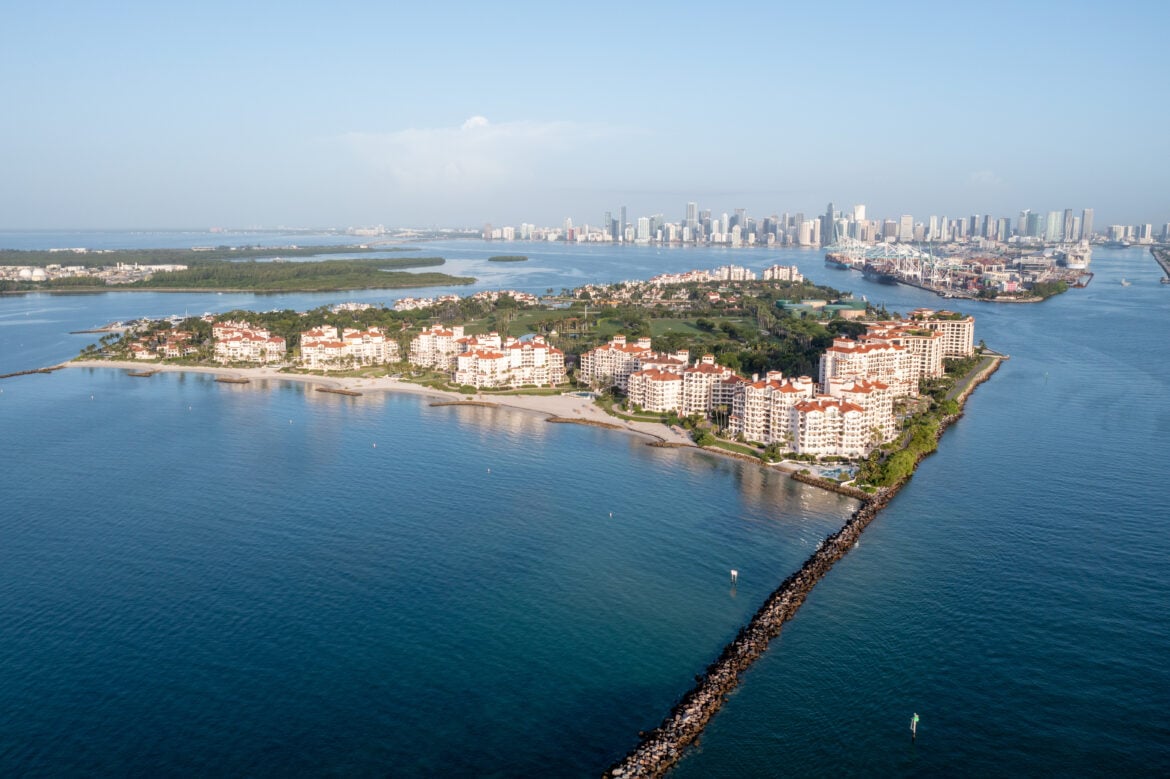
Aerial view of Fisher Island Miami at sunrise with downtown Miami skyline across Biscayne Bay

Last Updated: June 17, 2026 | By David Nguah, Licensed Real Estate Advisor, Douglas Elliman

Something unprecedented is happening in Miami’s luxury real estate market. In just 60 days this year, developers and sales firms reported over $126 million in sales to buyers relocating from California and New York alone. What was once a seasonal trickle of snowbirds has become a permanent migration of America’s wealthiest residents — and it’s reshaping Miami’s skyline, neighborhoods, and property values in real time.

For high-net-worth and ultra-high-net-worth buyers evaluating a move to South Florida, the window of opportunity is narrowing. Here’s everything driving the 2026 wealth migration to Miami and what it means for the luxury market.

The Tax Squeeze: New York and California Are Pushing Wealth Out

Two seismic tax events are accelerating the exodus from America’s two wealthiest states.

New York City’s Proposed Millionaire Tax

New York City Mayor Zohran Mamdani has proposed hiking the city’s top income tax rate from 3.9% to 5.9%. Combined with New York State’s existing rates, the city’s wealthiest residents would face a combined income tax burden of nearly 17% — the highest in the nation. The reaction has been swift: billionaire John Catsimatidis publicly threatened to close his supermarket chain and sell the business, while even former Governor Andrew Cuomo quipped that “even I will move to Florida.”

The numbers tell the story. New York has lost $111 billion in adjusted gross income over the last decade as high earners relocated to zero-income-tax states like Florida. That migration is now accelerating, with a surge of affluent New Yorkers moving south throughout 2025 and into 2026.

California’s Billionaire Tax Ballot Measure

In November 2026, California voters will decide on the Billionaire Tax Act — a proposed one-time 5% wealth tax on individuals with a net worth exceeding $1 billion. The measure qualified for the ballot with 1.6 million signatures, nearly double the required 874,641.

If passed, the tax would raise an estimated $100 billion over five years from approximately 200 of California’s wealthiest residents. The critical detail: the eligibility cutoff was January 1, 2026, meaning billionaires who remained California residents past that date would be subject to the tax regardless of where they move afterward. Six billionaires — including PayPal co-founder Peter Thiel and former Uber CEO Travis Kalanick — reportedly left California before the deadline.

For ultra-high-net-worth individuals still in California, the message is clear: the cost of staying is rising dramatically, and Florida’s zero state income tax has never looked more attractive.

Miami’s Ultra-Luxury Market Is Breaking Records

This wealth migration isn’t theoretical — it’s showing up in Miami’s sales data in record-breaking fashion.

January 2026 opened with 56 contracts above $10 million in the first three weeks alone, the strongest January on record. In Miami-Dade County, the ultra-luxury threshold — defined as the top 1% of transactions — rose to $13.6 million in Q1 2026, up from $10.4 million just a year earlier. The Miami Association of Realtors has declared South Florida the No. 1 ultra-luxury market in the country.

The landmark transaction of the year so far: Mark Zuckerberg’s $170 million purchase on Indian Creek Island — Miami’s so-called “Billionaire Bunker” — which shattered South Florida’s all-time sales record. More than 80% of sales at the $10 million-plus level are all-cash, underscoring that this demand is driven by wealth migration, not local move-ups.

Luxury waterfront mansion on Star Island in Miami Beach with palm trees and waterfront views
A waterfront estate on Star Island, one of Miami Beach’s most exclusive gated communities.

Where Miami’s Wealthiest New Residents Are Buying

The influx of HNW and UHNW buyers is concentrated in Miami’s most prestigious neighborhoods and new developments. Here’s where the money is flowing:

Miami Beach and the Barrier Islands

Miami’s beachfront properties remain the top draw for relocating buyers seeking waterfront luxury. Star Island, Indian Creek Island, and Fisher Island command the highest prices, with ultra-luxury homes regularly trading above $30 million. The Venetian Islands and Sunset Islands offer a more residential feel while maintaining strong appreciation.

South Beach and South of Fifth

For buyers who want walkability and culture alongside luxury, South of Fifth remains the gold standard. Buildings like Apogee South Beach, Continuum South Beach, and Glass Miami Beach consistently attract New York transplants looking for a full-service condo lifestyle.

Brickell’s New Development Corridor

Brickell is undergoing a transformation with approximately 4,500 new luxury units expected to deliver by 2030. The most anticipated projects include Baccarat Residences Miami — a 75-story tower at 444 Brickell Avenue where the Miami River meets Biscayne Bay — and The Residences at 1428 Brickell, a 70-story tower by Ytech designed by Antonio Citterio with 195 ultra-luxury homes and 80,000 square feet of amenities. St. Regis Brickell adds another tier of branded luxury to the neighborhood.

Bal Harbour and Surfside

North of Miami Beach, Oceana Bal Harbour, Rivage Bal Harbour, and Arte Surfside are drawing buyers who want oceanfront living with lower density and proximity to Bal Harbour Shops — one of the highest-grossing luxury retail destinations in the world.

Aerial view of Palm Island and Hibiscus Island gated communities in Miami with luxury waterfront homes
Palm Island and Hibiscus Island — two of Miami’s most coveted gated island communities.

Cash Is King: Why Mortgage Rates Don’t Matter at the Top

While the broader housing market grapples with mortgage rates, Miami’s luxury segment operates in a different universe. All-cash purchases account for 44% of Miami closings — well above the national average of 27%. At the $10 million-plus level, that figure exceeds 80%.

This cash-driven demand insulates Miami’s luxury market from interest rate volatility and creates a fundamentally different competitive dynamic. For relocating buyers from New York and California, the tax savings alone often justify the purchase price: a household earning $5 million annually saves over $650,000 per year in state and city income taxes by moving from Manhattan to Miami.

Aerial view of the Venetian Islands connecting Miami and Miami Beach across Biscayne Bay
The Venetian Islands stretch across Biscayne Bay, offering waterfront estate living.

Market Conditions Favor Buyers — For Now

Despite the record activity at the top, Miami’s overall market has shifted toward balance. Inventory across Miami-Dade County sits at a 13.7-month supply, giving buyers more negotiating power than they’ve had in years. Homes are taking approximately 90 to 105 days to sell, and the median single-family home price sits at $699,990.

For luxury buyers, this means more options and less pressure. But that window may be closing: as California’s November ballot measure approaches and New York’s tax proposals advance, expect another wave of relocations to tighten Miami’s most expensive listings heading into 2027.

Browse the 100 newest luxury listings in Miami to see what’s available right now.

The Quality Question: Due Diligence Matters More Than Ever

Not every luxury tower delivers on its promises. In the first five months of 2026 alone, condo associations at three newly built luxury Miami towers — including Aston Martin Residences, Missoni Baia, and Estates at Acqualina — have sued their developers over construction defects ranging from cracked concrete and leaking roofs to non-functioning elevators and cheaper materials than promised.

This underscores why working with an experienced local advisor is essential, especially for out-of-state buyers unfamiliar with Miami’s development landscape. A knowledgeable agent can identify which developers have strong track records, which buildings have passed thorough inspections, and which new developments are worth the premium.

Luxury high-rise condominium residences along the waterfront in Miami, Florida
Ultra-luxury condominium towers attract wealthy buyers from New York and California.

What This Means for Buyers Considering Miami in 2026

The convergence of tax policy, wealth migration, and record luxury demand makes 2026 a pivotal year for Miami real estate. Here’s what savvy buyers should know:

  • Act before the November ballot: If California’s wealth tax passes, expect another surge of relocations that will tighten inventory and push prices higher in Miami’s ultra-luxury segment.
  • Leverage current inventory: With 13.7 months of supply, buyers have more negotiating power than at any point since 2019. That won’t last if migration accelerates.
  • Prioritize due diligence: The construction defect lawsuits are a reminder that brand names don’t guarantee quality. Work with a local expert who knows the developers.
  • Consider pre-construction: Projects like 1428 Brickell, Bentley Residences, and The Perigon Miami Beach offer the opportunity to lock in pricing before the next wave of demand.
  • Think beyond the condo: Waterfront single-family homes on Miami Beach’s islands offer privacy, land value, and long-term appreciation that condos can’t match.

Frequently Asked Questions

Why are wealthy people moving from New York to Miami in 2026?

New York City’s proposed millionaire tax would push the combined state and city income tax rate to nearly 17% for top earners. Florida has no state income tax, making Miami an attractive destination for high-net-worth individuals looking to reduce their tax burden while maintaining access to world-class amenities, culture, and business infrastructure.

How does California’s 2026 wealth tax affect Miami real estate?

California’s Billionaire Tax Act, set for the November 2026 ballot, would impose a one-time 5% tax on individuals with a net worth over $1 billion. The eligibility cutoff was January 1, 2026, prompting many ultra-wealthy Californians to establish Florida residency. This is driving demand for Miami’s $10 million-plus properties.

What is the average price of ultra-luxury real estate in Miami?

As of Q1 2026, Miami-Dade County’s ultra-luxury threshold (top 1% of transactions) is $13.6 million, up from $10.4 million in 2025. In Brickell, ultra-luxury units above $3 million average $1,800 or more per square foot.

Is Miami’s luxury market slowing down in 2026?

The broader Miami market has normalized with 13.7 months of inventory and 90-105 day selling times, but the ultra-luxury segment ($10M+) continues to break records. January 2026 saw 56 contracts above $10 million in the first three weeks — the strongest January ever recorded.

What are the best luxury neighborhoods in Miami for relocating buyers?

Top choices include Star Island and Indian Creek Island for ultimate privacy, South of Fifth for walkable oceanfront luxury, Brickell for new high-rise developments, Fisher Island for exclusive island living, and the Venetian and Sunset Islands for waterfront single-family homes. Each offers distinct lifestyle advantages depending on buyer preferences.

How much can you save in taxes by moving from New York to Miami?

A household earning $5 million annually saves over $650,000 per year in state and city income taxes by relocating from Manhattan to Miami. Over a decade, that represents more than $6.5 million in tax savings — often enough to fund the purchase of a luxury waterfront property outright.

Douglas Elliman Real Estate

Ready to Make Your Move to Miami?

Whether you’re relocating from New York, California, or abroad — David Nguah provides expert guidance on Miami’s most prestigious addresses, new developments, and off-market opportunities.

David Nguah GroupDouglas Elliman Real Estate

David Nguah · Luxury Real Estate Advisor · Douglas Elliman

Miami  ·  Palm Beach  ·  New York  ·  The Hamptons  ·  Los Angeles  ·  Aspen

No Comments

1250 West Avenue Miami Beach: A 330-Foot Luxury Tower Approved on South Beach’s Bayfront

1250 West Avenue Miami Beach exterior rendering showing the 330-foot bayfront luxury condo tower designed by ODP Architecture and developed by Terra on South Beach

A New Chapter for South Beach Waterfront Living


The Miami Beach Design Review Board has unanimously approved plans for 1250 West Avenue Miami Beach, a 330-foot luxury condominium tower that will replace the aging Bay Garden Manor building on one of South Beach’s most coveted bayfront sites. Developed by Terra in partnership with RG Development Group and GV Development, this 106-residence tower represents a decisive shift toward larger, lower-density waterfront living in a neighborhood that has quietly become one of Miami Beach’s most desirable corridors.


Located at 1250 West Avenue, Miami Beach, FL 33139, the newly approved 1250 West Avenue development will rise 28 stories and 330 feet on the Biscayne Bay waterfront. The project will feature 106 luxury condominium residences averaging approximately 3,500 square feet each, with floor plans ranging from 1,692 to 5,066 square feet. Two penthouse residences will include private rooftop pool decks. Amenities include two swimming pools, a padel court, an expansive fitness center, underground parking with 250 spaces, and 2,685 square feet of ground-floor commercial space. The development team includes Terra (led by CEO David Martin), RG Development Group, and GV Development, with architecture by ODP Architecture and Design.


Why 1250 West Avenue Miami Beach Matters


West Avenue occupies a distinct position within South Beach. It sits along the Biscayne Bay shoreline with panoramic views stretching across to the Downtown Miami skyline, Star Island, and the Port of Miami. Yet despite its proximity to Lincoln Road, Sunset Harbour, South of Fifth, and the Venetian Causeway, it maintains a calm, residential character that stands apart from the higher-traffic corridors of the Beach.


That combination is increasingly rare and increasingly valuable. Buyers at the upper end of the market are gravitating toward locations that offer waterfront access and walkable convenience without the congestion that defines much of Miami Beach. West Avenue delivers precisely that, and 1250 West Avenue is positioned to become the corridor’s defining new address.


The bayfront setting is particularly compelling. Residences will face west across Biscayne Bay, offering unobstructed sunset views over the Miami skyline. For buyers accustomed to evaluating waterfront properties across Indian Creek, North Bay Road, and the Star, Palm, and Hibiscus Islands, this project introduces a new option: full-service bayfront living without the maintenance responsibilities of a single-family estate.


1250 West Avenue Miami Beach architectural rendering showing the ground-level amenity podium and tower designed by ODP Architecture for Terra's luxury bayfront development
Ground-level architectural rendering of 1250 West Avenue Miami Beach reveals the luxury tower’s podium-level amenities, retail spaces, and pedestrian-friendly streetscape along West Avenue.

The Development Team Behind the Tower


Terra, one of South Florida’s most established development firms, is leading the project. Founded by CEO David Martin, Terra has assembled a portfolio exceeding five million square feet of residential and commercial real estate valued at more than $8 billion, with an additional $14 billion in the pipeline. The firm’s track record includes Grove at Grand Bay (designed by Bjarke Ingels), Park Grove (designed by Rem Koolhaas/OMA), Villa Miami in Edgewater, and the 800-room Grand Hyatt at the Miami Beach Convention Center.


Terra is partnered with RG Development Group and GV Development, the firm founded by Italian entrepreneur Gianluca Vacchi. The partnership brings both international perspective and deep South Florida development experience to the project.


The architecture is by ODP Architecture and Design, a Hollywood, Florida-based firm that has served as architect of record for some of the region’s most significant projects, including One Thousand Museum with Zaha Hadid Architects, Paramount at Miami Worldcenter with Elkus Manfredi Architects, and the Apple Flagship Store at Aventura Mall with Foster + Partners. Their expertise in Florida-specific building codes, municipal approvals, and constructability challenges makes them a natural fit for a project of this complexity.


1250 West Avenue Miami Beach luxury condo tower rising 22 stories on South Beach's bayfront, a new construction development by Terra with Biscayne Bay views
The 1250 West Avenue Miami Beach luxury tower will rise 22 stories on Biscayne Bay in South Beach’s Sunset Harbour neighborhood, offering 106 residences with bay and ocean views.

What the Residences Will Offer


The project’s unit count tells an important story. Where the existing Bay Garden Manor packs 238 units into 15 stories, the new tower will house just 106 residences across 28 floors. That reduction in density, from roughly 16 units per floor to fewer than four, translates directly into the kind of spacious, private living experience that today’s luxury buyer expects.


Residences will average approximately 3,500 square feet, with individual layouts ranging from 1,692 to 5,066 square feet. Two penthouse residences will crown the tower, each featuring a private rooftop pool deck and dedicated amenity space. Building-wide amenities include two swimming pools (one at ground level, one on the rooftop), a padel court, and an expansive fitness center. Underground parking accommodates 250 vehicles, and the ground floor will include 2,685 square feet of commercial space.


The design also emphasizes landscape and open space. Tropical gardens maintained by pollutant-filtered bioswales will surround the building, and the development agreement requires the team to construct new Baywalk segments, extending the continuous waterfront promenade that is gradually transforming how Miami Beach residents experience the bay.


The Redevelopment Story


The path to approval reveals how Miami Beach’s waterfront landscape is evolving. Bay Garden Manor, the current building at the site, was constructed in 1964. Like many older waterfront condominiums across South Florida, it sits on land whose value has far exceeded the building itself. Rising insurance costs, structural maintenance demands, and shifting buyer expectations have made redevelopment both economically logical and practically inevitable for properties like these.


The developers acquired more than 95 percent of Bay Garden Manor’s 238 units from over 100 individual owners, assembling the site for approximately $120 million in September 2025. The acquisition was financed with a $98 million loan from Northwind and included the nearby Bikini Hostel property at 1247 West Avenue.


The Miami Beach City Commission subsequently approved an overlay zoning district that allowed the tower to rise to 330 feet, more than double the previous 150-foot height restriction. In exchange, the developers agreed to build at lower density than previously permitted, design and fund new Baywalk segments across four properties, and redevelop the Bikini Hostel into a public park. During the Design Review Board meeting, more than a dozen Miami Beach residents spoke in favor of the proposal.


Public Benefits and Community Impact


The community commitments tied to this project extend well beyond the building itself. The development team is required to design and fund new Baywalk segments across four properties: 1250 West Avenue, 1228 West Avenue, 800 West Avenue, and 1450 Lincoln Road. This will meaningfully expand the continuous bayfront walkway that connects South Beach’s west side.


Additionally, the Bikini Hostel property across the street will be redeveloped into a city park, adding publicly accessible green space to a neighborhood that has historically been underserved in that regard. The developer has also committed to mitigation measures during demolition and construction, including washing nearby cars and windows for surrounding residents.


Baywalk plans are currently under review by the U.S. Army Corps of Engineers and the State of Florida. The development team is additionally negotiating with neighboring Bayview Terrace regarding a Baywalk segment behind that property, though the issuance of a certificate of occupancy for the new tower would not be contingent on reaching that agreement.


1250 West Avenue Miami Beach residences with waterfront views of Biscayne Bay in the Sunset Harbour neighborhood of South Beach, developed by Terra
1250 West Avenue Miami Beach offers waterfront luxury residences in Sunset Harbour with panoramic Biscayne Bay views, private terraces, and resort-style amenities.

West Avenue in Context: How It Compares


For buyers evaluating Miami Beach’s waterfront market, 1250 West Avenue enters a competitive landscape alongside several notable developments. Nearby on West Avenue, Sunset Islands and the Sunset Harbour submarket offer single-family and boutique condo options, while Faena House and the forthcoming Perigon represent ultra-luxury on the oceanfront side. In South of Fifth, Apogee and Continuum remain benchmarks for full-service waterfront living.


What distinguishes 1250 West Avenue is the combination of new construction, bayfront orientation, generous unit sizes averaging 3,500 square feet, and a location on South Beach’s quieter western edge. For buyers who want the convenience of Miami Beach without the intensity of Ocean Drive or Collins Avenue, this address offers a compelling alternative.


Investment Perspective


As of May 2026, pricing for individual units at 1250 West Avenue has not been publicly released. However, the development economics offer context. The $120 million land acquisition across 106 planned units translates to roughly $1.13 million per unit in land cost alone, before accounting for construction, finishes, amenities, and developer margin.


Comparable new construction along the Miami Beach waterfront has traded in the $2,000 to $3,500 per square foot range depending on location, floor level, and finishing standard. At an average unit size of approximately 3,500 square feet, that would suggest a potential price range in the mid-single-digit millions to well above $10 million for larger and upper-floor residences. Penthouse pricing will likely command a significant premium.


The broader market context is also relevant. Miami Beach’s luxury waterfront segment continues to be driven by scarcity. There are a finite number of bayfront and oceanfront development sites, and projects that reduce density while increasing unit size are responding to demonstrated buyer demand. For investors evaluating pre-construction opportunities, 1250 West Avenue represents a rare chance to acquire new bayfront inventory in an established South Beach location. Those exploring Miami’s most secure and prestigious neighborhoods will find West Avenue increasingly worthy of consideration.


Frequently Asked Questions


What is being built at 1250 West Avenue Miami Beach?


A 28-story, 330-foot luxury condominium tower with 106 residences is being built at 1250 West Avenue, Miami Beach, FL 33139. The project replaces the 1964-built Bay Garden Manor and is developed by Terra, RG Development Group, and GV Development, with architecture by ODP Architecture and Design. Residences will average approximately 3,500 square feet, with two penthouses featuring private rooftop pools.


Who is the developer of 1250 West Avenue?


Terra, led by CEO David Martin, is the lead developer. Terra has a portfolio exceeding $8 billion in completed projects including Grove at Grand Bay, Park Grove, and Villa Miami. Partners include RG Development Group and GV Development, founded by Italian entrepreneur Gianluca Vacchi. The architect is ODP Architecture and Design, known for One Thousand Museum and Paramount Miami Worldcenter.


How much will condos at 1250 West Avenue cost?


Official pricing has not been released as of May 2026. However, based on the $120 million land acquisition, comparable new construction pricing in Miami Beach ($2,000 to $3,500 per square foot), and average unit sizes of approximately 3,500 square feet, residences are expected to range from the mid-single-digit millions to above $10 million, with penthouses likely commanding a significant premium.


What amenities will 1250 West Avenue offer?


Planned amenities include two swimming pools (ground level and rooftop), a padel court, an expansive fitness center, underground parking with 250 spaces, tropical gardens with pollutant-filtered bioswales, and 2,685 square feet of ground-floor commercial space. The two penthouses will have private rooftop pool decks and dedicated amenity areas.


What is happening with the Baywalk at 1250 West Avenue?


As part of the development agreement with the City of Miami Beach, the developers are required to design and fund new Baywalk segments across four properties: 1250 West Avenue, 1228 West Avenue, 800 West Avenue, and 1450 Lincoln Road. They will also redevelop the Bikini Hostel across the street into a public city park. Baywalk plans are currently under review by the U.S. Army Corps of Engineers.


When will 1250 West Avenue Miami Beach be completed?


The project received unanimous approval from the Miami Beach Design Review Board in May 2026. A completion timeline has not been officially announced. The existing Bay Garden Manor building must still be demolished, and the developers are working through additional regulatory approvals including Army Corps of Engineers review of the Baywalk plans. Construction is expected to take several years from groundbreaking.


For complete details on floor plans, pricing, amenities, and pre-construction availability, visit our dedicated 1250 West Avenue Miami Beach property page.

Final Thoughts


The approval of 1250 West Avenue Miami Beach marks a significant moment for South Beach’s western waterfront. With Terra’s proven development track record, ODP’s architectural pedigree, and a design philosophy that prioritizes space and privacy over unit count, this project is positioned to set a new standard for bayfront living on West Avenue. For buyers and investors watching Miami Beach pre-construction, this is a development worth following closely from the earliest stages.


For private showings, pre-construction advisory, or more information about 1250 West Avenue Miami Beach and other luxury developments along the Miami Beach waterfront, contact David Nguah at +1 (786) 200-3966 or info@miamisrealestate.com. David is a luxury real estate advisor with Douglas Elliman specializing in Miami Beach waterfront properties and pre-construction opportunities.