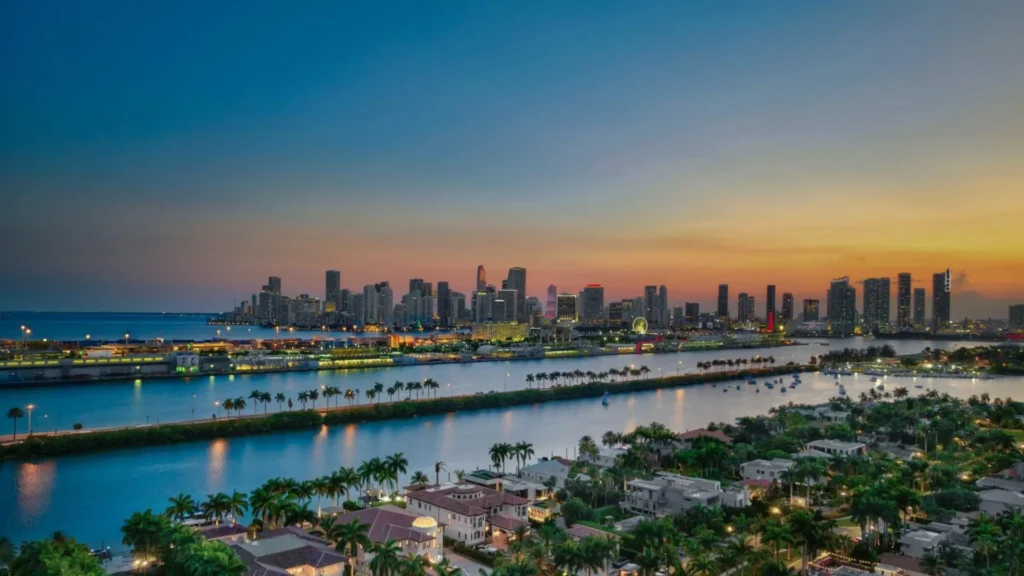
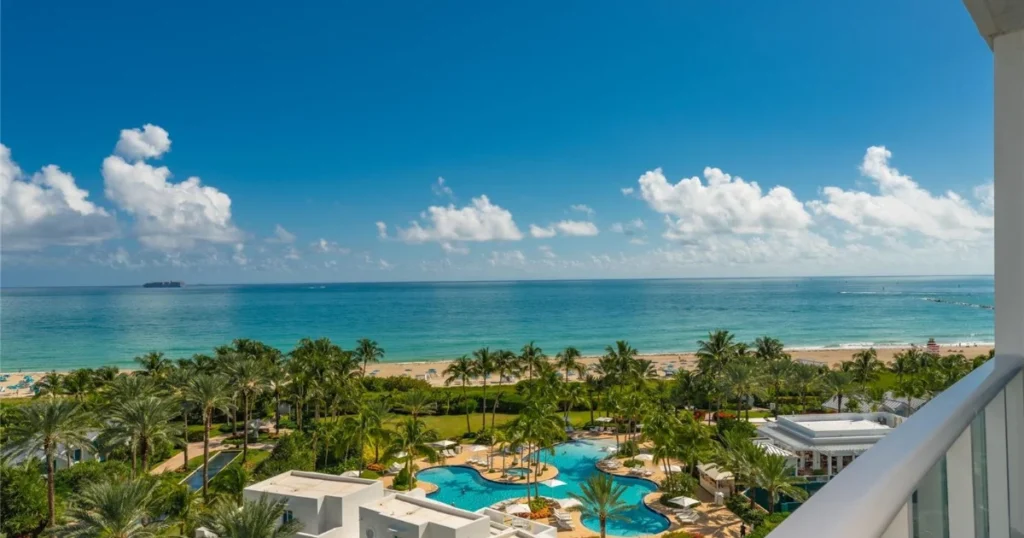
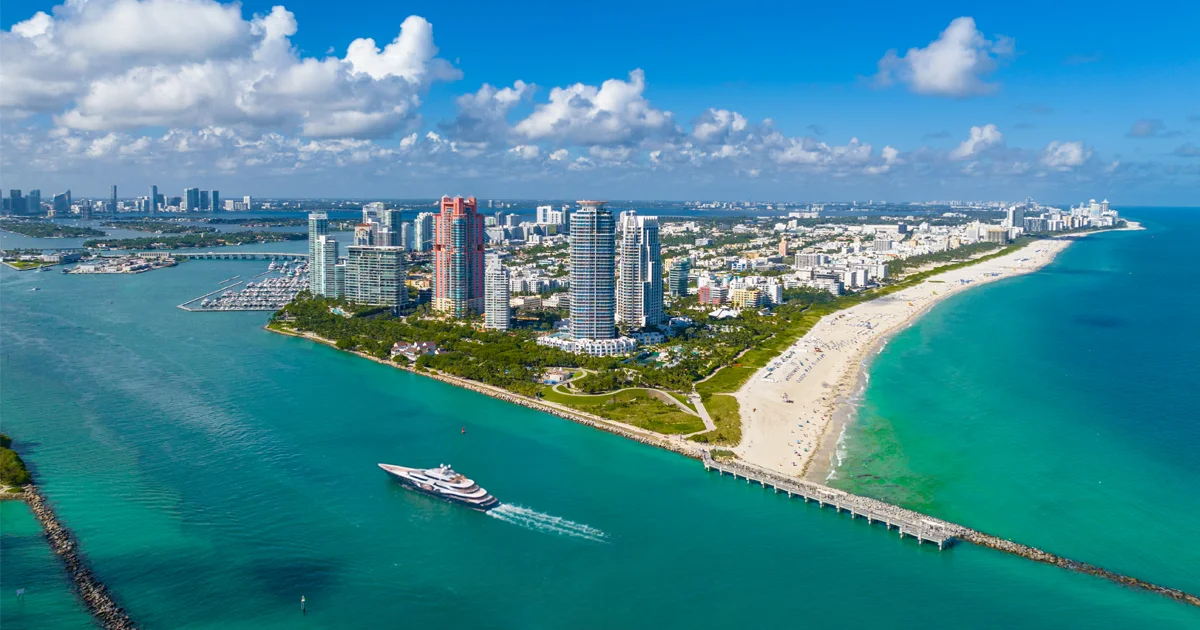
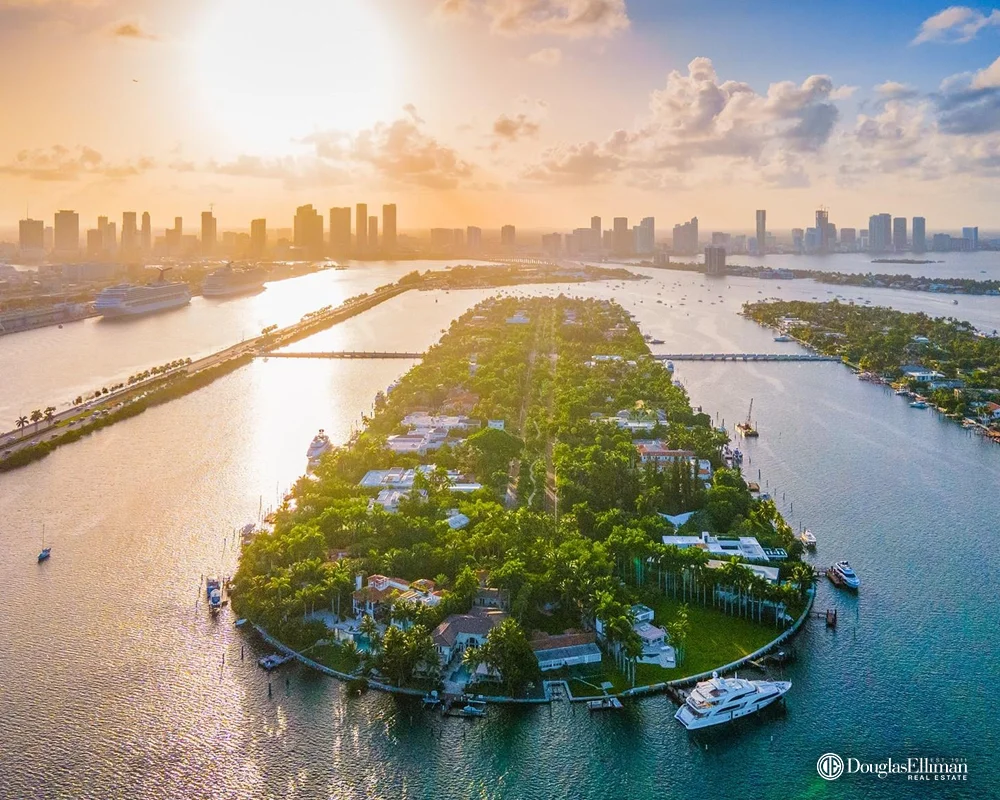
Experience the world-class amenities from Miami Beach Luxury Island Homes Twilight View Downtown Miami Skyline, a prime example of Miami’s luxury real estate.
You’re looking for the newest homes for sale Miami Beach FL. Let’s cut the noise. If you’re serious about high-end real estate in this market, you can stop looking at anything built before 2020. Why? Because the new generation of luxury isn’t just an upgrade; it’s a completely different asset class. It’s safer, smarter, and designed for a post-pandemic world. We deal exclusively in the exceptional. And exceptional starts here: Click Here to See Homes and Condos built after 2020
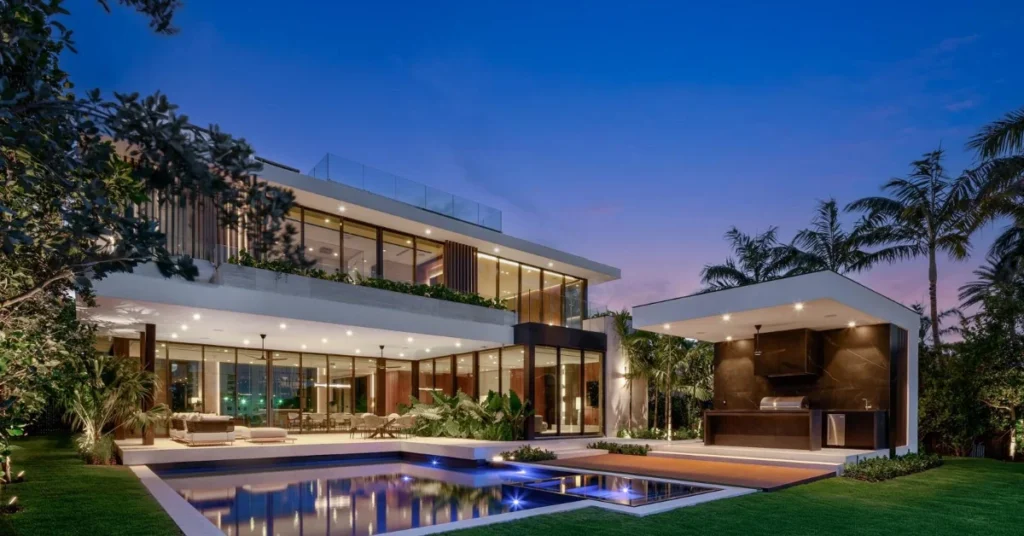
Experience the unparalleled luxury lifestyle from UltraModern Miami Beach Waterfront Estate Luxury Pool Outdoor Kitchen Twilight View, a prime example of Miami’s luxury real estate
The New Luxury Standard: Post-2020 Miami Beach Real Estate
The market has shifted. New construction has decoupled from older inventory. This isn’t about cosmetic renovations. It’s about engineering that anticipates buyer demands before they become trends.
Here’s what defines true post-2020 luxury:
Elevated Amenities: Forget the old gym and pool. The newest **Luxury Condos for Sale Miami Beach** include medical-grade air filtration, private *wellness centers*, and dedicated residential speakeasies.
Next-Gen Security: Think biometric access, multi-point security glazing, and smart surveillance woven seamlessly into the design. No clunky additions.
Service Density: Owners demand high-touch service. The newest buildings deliver with dedicated concierges, personal trainers, and in-residence spa services that rival five-star hotels.
If your property can’t deliver this, it’s already depreciating against the competition.
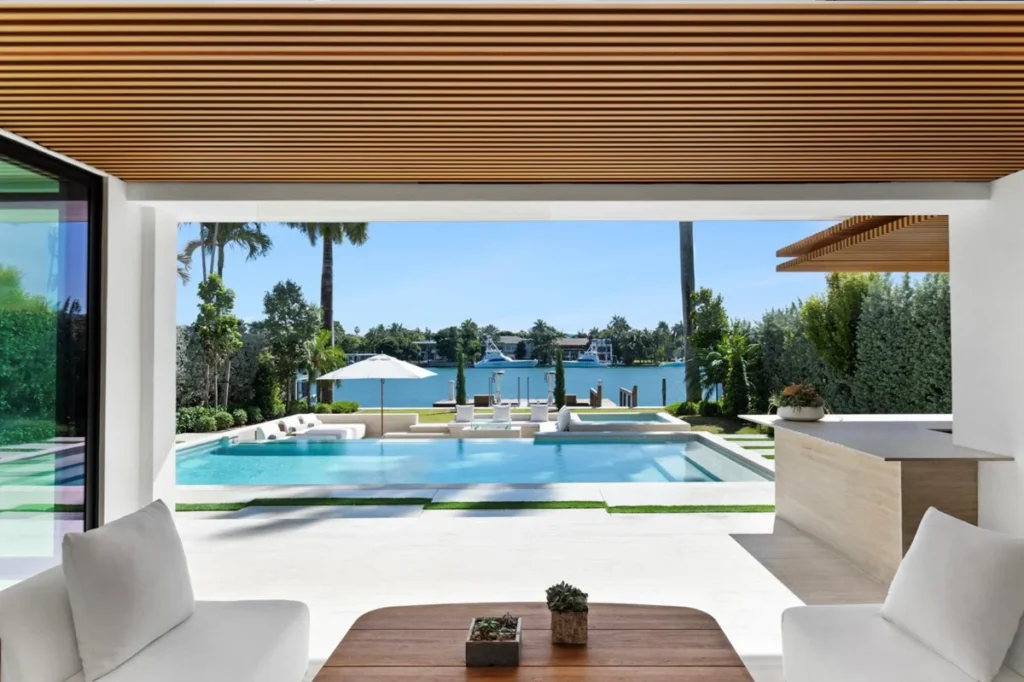
Experience the vibrant real estate market from Miami Luxury Modern Waterfront Home Seamless Outdoor Living Infinity Pool Bay View Loggia, a prime example of Miami’s luxury real estate.
Mapping Miami Beach’s Most Exclusive New Inventory
When buyers ask for location, I show them the water. The new high-value properties cluster heavily in specific, insulated geographic areas. We track the Miami Beach Waterfront Homes inventory across these hyper-exclusive locations:
1. The Ultra-Private Islands: Privacy and Price Appreciation
These aren’t just addresses; they are private communities with their own appreciation curves.
Palm Island: The definition of quiet luxury. New construction here is rare and priced for generational ownership. If you want a brand-new custom estate, this is a top priority.
Star Island: Still the pinnacle. Finding a new construction on Star Island Homes for Sale is rare, and it commands a premium. We track every single one.
Belle Isle & Venetian Islands: High-end condos and luxury homes redefining density luxury with spectacular bay views. New construction here means immediate access to the best of South Beach without the chaos.
La Gorce Island: More low-key, but the new builds here are massive, smart, and often feature deeper water access for large yachts. A true luxury residential market.
2. High-Tech Condo Vertical Living
The newest developments are redefining Miami Beach Condos. They are selling faster because they offer what pre-2020 buildings can’t: resort living as a residential baseline. Focus your search on the latest **Oceanfront Condos for Sale Miami Beach** developments, where the cost of ownership is offset by unprecedented amenity access. We’re talking Miami Beach New Construction that solves all the problems of urban luxury living.
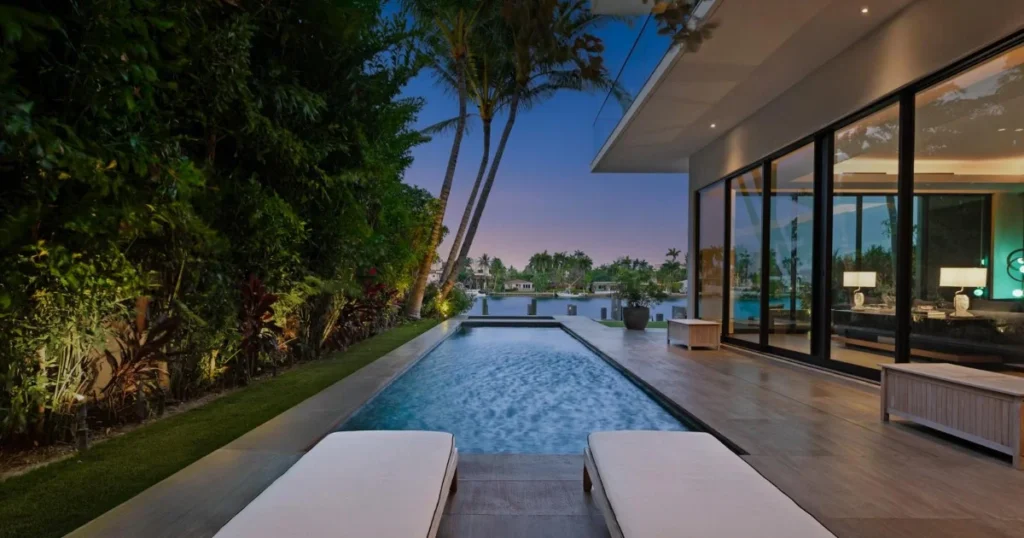
Experience the breathtaking views from Miami Beach Modern Luxury Waterfront Villa Zero Edge Pool Patio at Dusk, a prime example of Miami’s luxury real estate
Your Playbook for Winning the Newest Homes Deal
This market is too competitive for amateurs. You need a strategy to win the bid and close the deal without friction. Here’s the unfiltered truth on **Miami Beach Real Estate**:
Skip the Mortgage Prequal: You need an updated Proof of Funds, or better yet, a cash offer. Delays will lose the property.
Move on “Coming Soon“: The moment a luxury property goes into **new construction** pre-listing status, you need eyes on it. We leverage deep market data to flag these opportunities before they hit major search engines. Don’t wait for the official launch.
Define Your Non-Negotiables: You want *newest homes for sale Miami Beach FL* for a reason—is it the yacht slip? The specific water purification system? Know the absolute must-haves, and be flexible on everything else.
This saves time and targets properties that meet your very specific criteria.
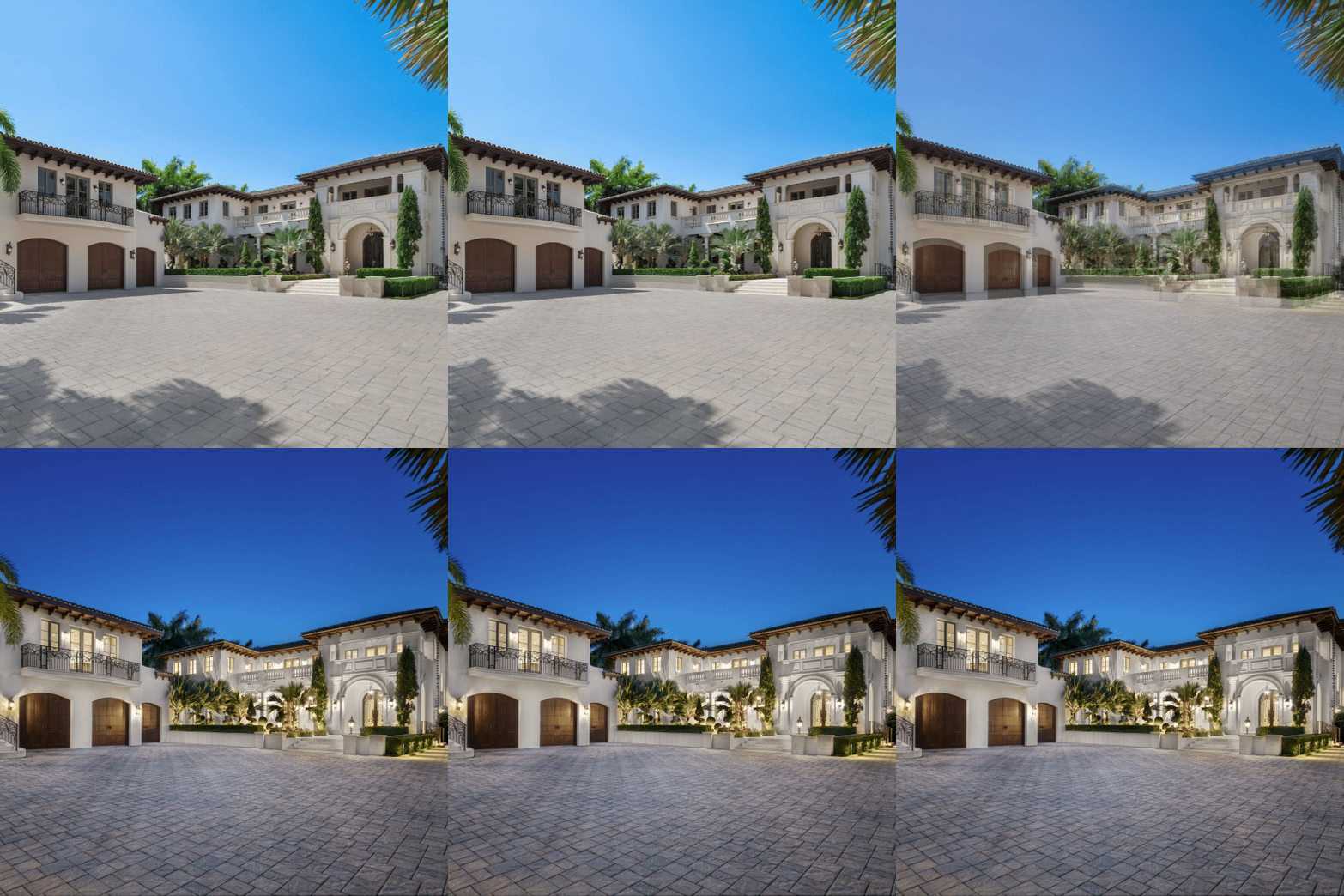
Experience the vibrant real estate market from Grand Mediterranean Revival Estate Miami Luxury Motor Court Twilight View, a prime example of Miami’s luxury real estate.
Frequently Asked Questions
Q: Is new construction always better value than older, renovated luxury?** A: Value is subjective, but efficiency isn’t. New construction is built to the latest hurricane and flood codes. It includes energy efficiency, insulation, and smart systems that older homes can only achieve with gut-renovations, and even then, often fall short. It’s built for *tomorrow’s* luxury standard.
Q: How quickly do new Miami Beach homes sell?** A: The best ones move in days, sometimes hours, especially in the islands (Palm, Star, Di Lido). Once a premier, brand-new listing hits the market, my clients know they need to see it *that day*.
Q: What is the single most important factor for long-term appreciation in a new Miami Beach home?** A: Waterfront access or proximity to the water is non-negotiable. It is the primary engine of value. While modern design is important, nothing trumps finite assets like a direct view or access to the Bay or Ocean in **Miami Beach Real Estate**.
Helpful Resources
You’re making a major financial move. Here are some non-real estate industry resources to help you contextualize your investment:
Tap anywhere on the map or button to explore luxury homes on Star, Palm & Hibiscus Islands
**Google Map Integration (Suggested):**
Miami-Dade County Property Appraiser (Tax & Valuation): Use this to independently verify tax records and assessed values for transparency. (Search for official URL)
University of Miami Business School Economic Insight: Look for publications on long-term economic stability and population growth forecasts in South Florida. This provides a data-driven view of market fundamentals. (Search for official URL)
Miami City Planning Department (Permitting & Zoning): A public resource for understanding future development plans near your potential new home. (Search for official URL)
Luxury Real Estate Acquisition, High-Net-Worth Property Investment, Miami Beach Waterfront Estates, Star Island Properties, Palm Island Homes, Hibiscus Island Real Estate, Private Estate Sales, Institutional Real Estate Advisory, Ultra-Luxury Property Portfolio Management
The search ends with one move: securing the best of the **newest homes for sale Miami Beach FL**.
And the kind of community where neighbors become lifelong friends.
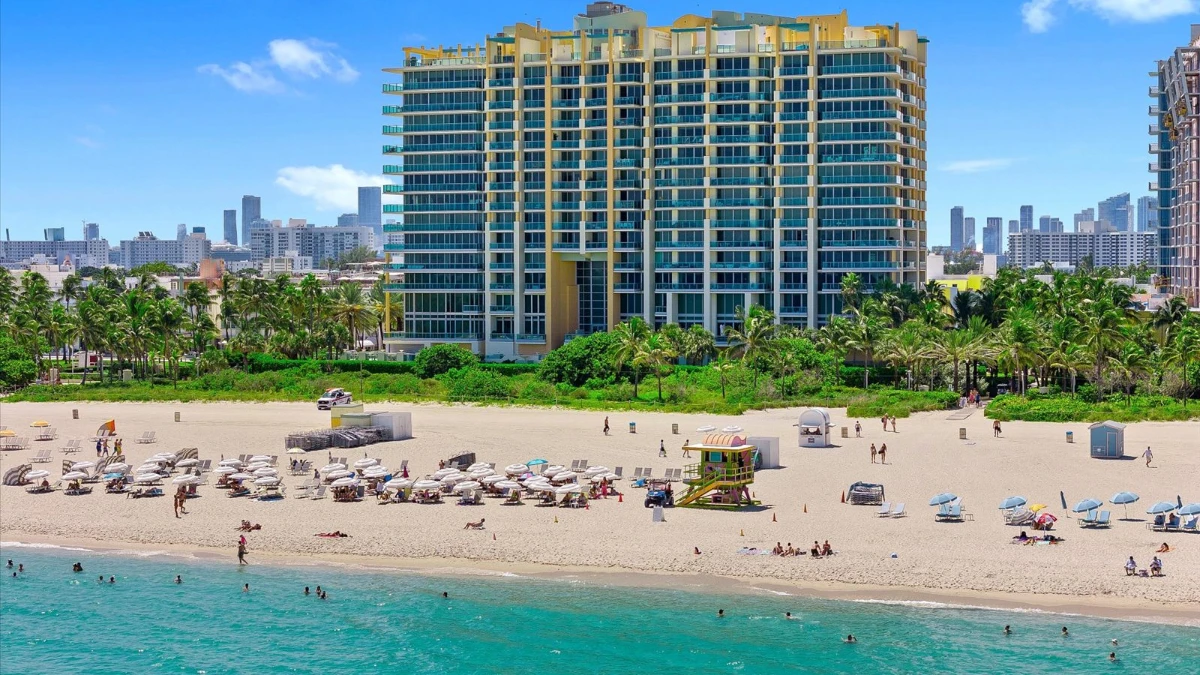
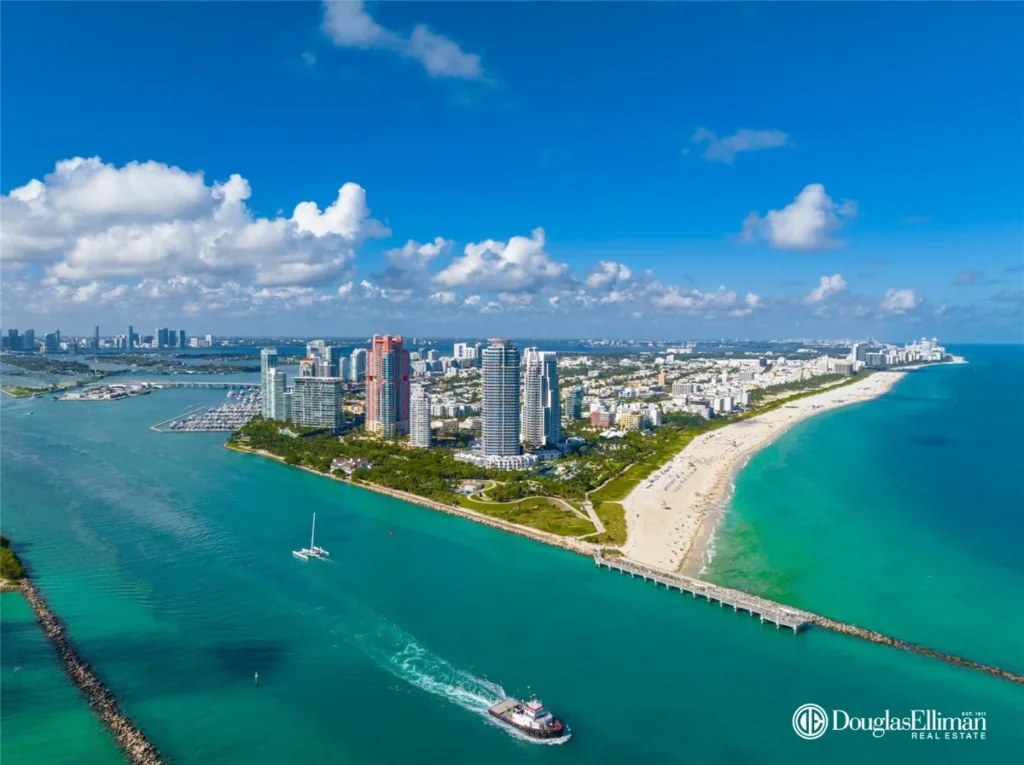
Experience the pinnacle of luxury at Continuum South Beach. This stunning aerial perspective highlights the coveted oceanfront condos available for sale in Miami Beach, offering world-class amenities and unparalleled access to the Atlantic. Discover your dream South Beach lifestyle.
But here’s what most people don’t realize about South Beach:
You can have both worlds.
Yes, if you want to party until 4 AM, South Beach is perfect.
There are buildings right in the heart of the action where you can stumble home from the clubs.
But there are also pockets of peace within South Beach.
Luxury buildings on quieter streets.
High-rise condos that offer soundproofing and tranquility.
Buildings where you get all the walkability and lifestyle benefits of South Beach without the noise.
I’ve helped clients find both.
The party-all-night penthouse on Ocean Drive.
And the serene oceanfront sanctuary just two blocks away.
South Beach isn’t just one experience – it’s whatever experience you want it to be.
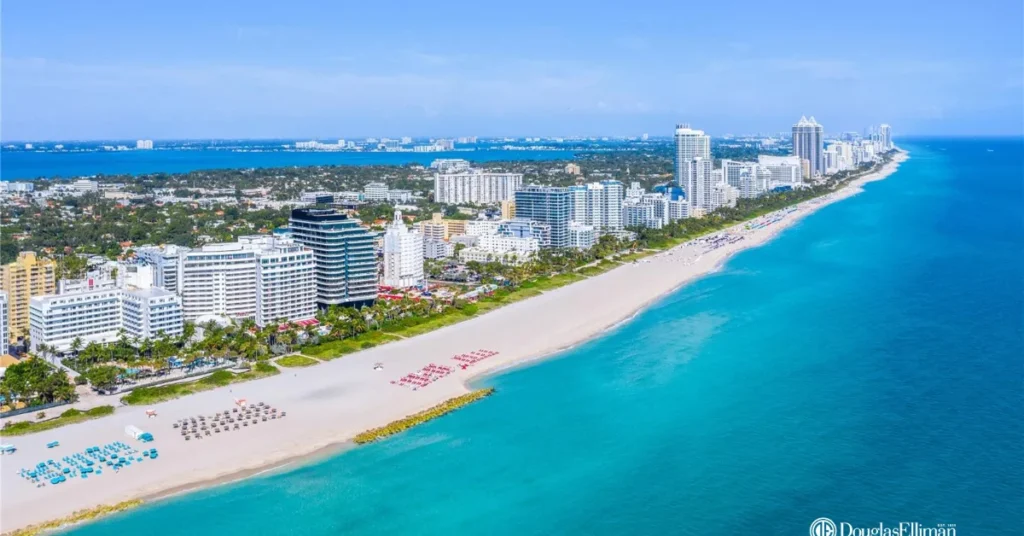
Experience unparalleled luxury living in Miami Beach’s prestigious Faena District. Explore stunning oceanfront condos for sale, offering breathtaking views, world-class amenities, and an exclusive South Beach lifestyle.
Six months earlier, the same unit would have been $3.2 million.
North Beach Value Play
North Beach is the best-kept secret in Miami Beach.
Prices are 30-40% lower than South Beach.
But you’re still on the same ocean.
Still Miami Beach.
Just without the crowds.
Perfect for families or anyone who wants luxury without the chaos.
A stunning view of Miami Beach Luxury Oceanfront Condo Balcony Direct Ocean Views, located in the heart of Miami’s vibrant real estate market.
What to Look for in an Oceanfront Building
After 15 years selling Miami Beach real estate, I’ve learned what separates good buildings from great ones.
Building Age and Condition
Newer isn’t always better.
But structural integrity is everything.
I always recommend getting a building inspection report.
Even for luxury buildings.
Especially for luxury buildings.
Salt air is brutal on buildings.
You want to know what you’re buying into. That cuts both ways: a 2024 building like Five Park has no deferred maintenance behind it, but it sits on the bay side rather than the sand. If new construction matters more to you than beachfront, the Five Park condos for sale page has the live listings and recorded sales for that building.
A stunning view of Continuum South Beach Oceanfront Condominiums Tropical Pool Area with Panoramic Miami Beach Ocean View, located in the heart of Miami’s vibrant real estate market.
Amenities That Actually Matter
Pool and Beach Service Every oceanfront building has a pool. Not every building has good pool service. Beach chair service is a game-changer.
Gym and Spa Having a gym in your building saves 2+ hours per day. No commute to work out. No excuses.
Concierge Service A good concierge makes your life easier. Restaurant reservations. Grocery delivery coordination. Travel planning.
HOA fees in Miami Beach oceanfront buildings range from $800 to $3,000+ per month.
Higher fees aren’t necessarily bad.
They often mean better maintenance and services.
But you need to understand what you’re paying for.
And always ask about upcoming special assessments.
Building facade work can cost $50,000+ per unit.
Roof replacements run $30,000+ per unit.
These aren’t optional expenses.
Investment Potential of Miami Beach Oceanfront Condos
People ask me all the time: “Are these good investments?”
The answer is complicated.
Rental Income Reality
Short-term rentals (Airbnb) can generate $200-$500+ per night.
In luxury properties like The W, The Setai, The One Hotel and Homes, some units generate significantly more.
But Miami Beach has strict short-term rental rules.
Many buildings prohibit short-term rentals entirely.
If short-term rental income is part of your plan, check out Miami Beach condo hotels for sale – these are properties specifically designed to allow short-term rentals.
But here’s something to consider:
If you’re buying a place to come and relax, buildings that allow short-term rentals can be challenging.
People are often here to party.
Common areas don’t always get the same care as traditional condo buildings.
The pool deck at 2 AM might not be as peaceful as you’d hoped.
Just something to keep in mind when weighing your options.
Appreciation Potential
Miami Beach has limited land.
They’re not making more oceanfront property.
Over 10+ years, well-located oceanfront condos have historically appreciated 6-8% annually.
Best appreciation potential, but highest entry cost.
The Buying Process for Oceanfront Condos
Here’s the truth:
Buying oceanfront property is exactly like buying a regular condo.
No extra steps.
No extra considerations.
No extra paperwork.
It’s all the same process.
Just as easy.
You can close anywhere from two weeks to 30 days.
Timing depends on a few things:
Whether you’re financing or paying cash
If the building has a condo approval process (some do, some don’t)
How long that approval process takes
That’s it.
Don’t let anyone tell you oceanfront is more complicated.
It’s not.
Pre-Approval is Critical
Sellers take cash offers more seriously.
But if you need financing, get pre-approved first.
Oceanfront properties don’t have stricter lending requirements.
NO higher down payments (25-40%).
NO more documentation.
NO longer processing times.
It’s as straightforward as purchasing any condo in Miami Beach.
Building Financial Reviews
Here’s how this actually works:
The seller is legally obligated to provide you with condo bylaws and attachments.
This typically includes the building budget for your review.
You’ll see reserve funds, maintenance schedules, and financial health.
You get three days to review these documents.
If you don’t like what you see, you can cancel your contract within those three days and get your deposits back.
The seller will also provide a condo questionnaire to your attorney or title company.
This shows:
Any pending lawsuits
Upcoming assessments
Management company details
Building debt levels
It’s all standard procedure for any condo purchase.
Title Insurance is Essential
Ocean properties have unique title risks.
Beach erosion issues.
Easement complications.
Environmental liens.
Pay for comprehensive title insurance.
Trust me on this one.
Common Mistakes Buyers Make
I’ve seen buyers make the same mistakes over and over.
Buying Based on Photos Alone
Photos lie.
Especially real estate photos.
That “ocean view” might be a sliver of blue between two buildings.
That “spacious” living room might fit a loveseat and nothing else.
Always see properties in person.
Ignoring Building Rules
Every building has rules.
Pet policies.
Rental restrictions.
Renovation guidelines.
Some buildings require board approval for purchases.
Some buildings have age restrictions.
Know the rules before you buy.
Underestimating Carrying Costs
Oceanfront living is expensive.
HOA fees.
Property taxes.
Insurance (flood insurance is separate and expensive).
Maintenance costs are higher due to salt air.
Budget for reality, not wishful thinking.
Financing Oceanfront Properties
Financing oceanfront condos is straightforward.
No special considerations needed.
Down Payment Requirements
Most lenders require 25-30% down for investment properties.
Primary residences can sometimes get away with 20%.
But many buyers put down 40-50%.
Lower leverage = less risk.
Insurance Considerations
Flood insurance is mandatory.
Wind insurance is separate.
Combined insurance costs can be $300-$800+ per month.
For a condo.
Factor this into your budget.
Foreign Buyer Considerations
Foreign buyers face additional requirements:
FIRPTA tax withholding
Additional documentation
Possible higher down payments
Currency exchange considerations
Best Time to Buy Miami Beach Oceanfront
Timing matters in real estate.
Miami Beach has seasonal patterns.
Winter Season (December-March)
Highest demand.
Most inventory.
Peak prices.
Lots of competition from seasonal buyers.
Summer Season (April-November)
Lower demand.
Less inventory.
Better negotiating position.
Hurricane season concerns keep some buyers away.
Market Cycles
We’re currently in a normalizing market.
Prices peaked in 2021-2022.
Now we’re seeing more reasonable pricing.
Better deals for buyers.
Less bidding wars.
Working with the Right Agent
Not all agents understand oceanfront properties.
You need someone who knows:
Building histories and reputations
Market trends specific to oceanfront
Financing challenges and solutions
Inspection issues unique to oceanfront buildings
I’ve been specializing in luxury Miami Beach properties for over 15 years.
I know which buildings have the best management.
Which ones have upcoming assessments.
Which ones have the best rental potential.
FAQs About Miami Beach Oceanfront Condos
How much should I budget for HOA fees?
HOA fees for oceanfront buildings typically range from $800-$3,000+ per month. Higher-end buildings with full-service amenities (concierge, beach service, valet parking) will be on the higher end. Always ask for a detailed breakdown of what’s included.
Can I rent out my oceanfront condo?
Rental policies vary by building. Some allow short-term rentals (Airbnb), others require 6-month minimum leases, and some prohibit rentals entirely. Always check building bylaws before purchasing if rental income is part of your plan.
What’s the difference between “oceanfront” and “ocean view”?
Oceanfront means the building sits directly on the beach with no structures between it and the ocean. Ocean view means you can see the ocean from the unit, but there may be other buildings, roads, or structures between you and the water. Oceanfront commands premium prices.
Do I need flood insurance?
Yes, flood insurance is required for all oceanfront properties in Miami Beach. It’s separate from your regular homeowner’s insurance and can cost $200-$500+ annually depending on the building’s elevation and flood zone designation.
What’s the best floor to buy on?
Floors 4-12 offer the best combination of views and value. Lower floors may have privacy issues and limited views. Higher floors (15+) command premium prices but may have elevator wait times and higher wind exposure. Mid-level floors often provide the sweet spot.
Are there age restrictions in oceanfront buildings?
Some buildings have age restrictions (55+ communities), but most oceanfront condos in Miami Beach don’t. However, some buildings have restrictions on children or pets. Always review building bylaws before making an offer.
How long does the buying process take?
Plan for 45-60 days from contract to closing for oceanfront condos. This includes:
Building board approval (if required): 2-3 weeks
Financing approval: 3-4 weeks
Title work and inspections: 1-2 weeks
Final walkthrough and closing: 1 week
What happens during hurricane season?
Modern oceanfront buildings are built to strict hurricane codes. Most buildings have backup generators, hurricane shutters or impact windows, and emergency protocols. Many residents evacuate as a precaution, but properly built oceanfront condos are generally safe.
Can I negotiate the price?
Absolutely. The current market favors buyers more than in recent years. Successful negotiation strategies include:
Thorough market analysis of comparable sales
Quick closing timelines
Minimal contingencies
Pre-approval letters
Understanding seller motivations
What questions should I ask about the building?
Key questions include:
Any pending special assessments?
What major maintenance is planned?
How are reserves funded?
Any ongoing litigation?
Management company history?
Rental policies and restrictions?
Pet policies?
Parking availability and costs?
Ready to find your perfect Miami Beach oceanfront condo?
Expert guidance from initial search to final closing
South Beach Homes for Sale | Luxury Houses & Condos 33139
South Beach Homes for Sale: A Complete Guide for Buyers and Sellers
By David Nguah, Director of Luxury Sales, Douglas Elliman — 26 years helping clients buy and sell in Miami Beach.
South Beach, Miami Beach (33139) – Luxury condos, oceanfront homes, and waterfront lifestyle.
Introduction: What You’ll Get From This Guide
Spend one sunset on the bay and you’ll understand why people from all over the world search for
South Beach homes for sale. But landing the right property here takes more than scrolling—timing,
micro-location, and a clear plan make all the difference. I’ve spent 26 years helping buyers and sellers in 33139
succeed. In this guide, you’ll get practical insights on how to search, what to watch for with condos and homes,
and how to position a listing to sell without dragging on the market.
South Beach is a real neighborhood—walkable, lively, and convenient. Morning espresso on Lincoln Road, a workout
on the sand, dinner on Collins, and home in minutes. That rhythm is why many second-home buyers end up spending
more time here than they planned. If you’re weighing lifestyle fit, scan official
Miami Beach culture & events
for a sense of year-round activity.
On a single tour, I might show a quiet single-family with a pool, a bayfront home with a dock, and a boutique
condo with strong amenities. Here’s how to frame your search:
1) Single-Family Houses
Tucked behind low-traffic streets, these offer yard space, privacy, and a true “home” feel—steps from the beach.
Explore South Beach houses
and, if a pool is a must,
South Beach houses with pools.
2) Waterfront Homes & Estates
Bayfront addresses deliver yacht-friendly docks, wide water views, and west-facing sunsets. These are limited and command a premium. Review
Waterfront Homes – South Beach.
Palm Island, South Beach (33139) – exclusive waterfront estates with private docks and Miami skyline views.
Waterfront Homes – South Beach.
If you’re serious, also glance at local flood info via
FEMA Flood Maps.
3) Condos & Townhomes
If you want resort-style amenities and lighter maintenance, condos are ideal. Think valet, spa, gym, and beach
service. Browse
South Beach condos for sale
and save favorites for a same-day tour.
4) 33139-Focused Searches
Prefer a tight zip-code lens? Try
South Beach Houses 33139
to track fresh opportunities and compare past sales nearby. When you’ve narrowed your list, I’ll pull HOA docs and
recent comps so you can decide fast.
Micro-Areas That Matter in 33139 (And Why)
In a compact area, micro-location drives price, lifestyle, and resale. Here’s the quick tour I give clients:
South of Fifth (SoFi)
Ultra-prime—fine dining, South Pointe Park, marina access, and wider beaches. Calmer streets than you’d expect for
this location. A strong choice if you want polished, walk-to-everything living.
Flamingo / West Avenue
Bay views, parks, and easy access to the Venetian Causeway. Many residences here have deep sunset terraces and
quick grocery/café access. Walk daytime and evening to feel the difference by block.
Collins & Ocean Drive Corridors
Steps to the beach with classic SoBe energy. Expect a mix of boutique buildings and larger towers. If rental
flexibility matters, verify policies using the State’s condo resources
(Florida DBPR condo info).
Quiet Residential Pockets
A few streets off the main corridors, you’ll find single-family homes and low-density buildings—ideal if you want
peace without giving up walkability. For historical context on style and preservation,
see the Art Deco District history.
Tip: increase or decrease z=14 to adjust zoom.
Smart Buyer Checks Before You Tour
Preparation removes friction and helps you move on the right home. Here’s the short list I share with buyers:
Proof of funds or pre-approval: Strengthens your position and shortens negotiation.
HOA reality check (condos/townhomes): Reserves, upcoming projects, pet policy, rental rules, parking, and what dues include.
Use Florida DBPR resources for background.
Insurance & elevation (homes): Flood zone, wind mitigation, roof age, impact glazing, seawall notes on waterfront.
Confirm your zone at FEMA Flood Maps and see consumer guidance at the
Florida Office of Insurance Regulation.
Noise & usage patterns: Visit weekday mornings and weekend evenings to feel the block.
Personal note: some of the best outcomes come from buyers who stay flexible on finishes but hold the line on
location, light, outdoor space, and parking. Kitchens change—sunset and dock orientation don’t.
Looking at South Beach homes for sale across different pockets? I’ll map pros/cons by block and
line so you can compare with confidence.
Seller Playbook: Stand Out, Then Close Strong
Buyers here are informed. Win them with clarity and emotion, not guesswork.
Price the story, not just the square feet: View, terrace depth, parking, and walkability carry real value.
Presentation: Declutter, fresh paint, strategic staging. Dusk photos and short video help.
Transparency: Share HOA docs, upgrades, and recent maintenance early to remove doubt.
Distribution: Quality media + targeted syndication + direct outreach to already-qualified buyers in 33139.
If permits or final inspections were recent, include links or screenshots from the
Miami Beach Building Department.
It saves time and boosts trust.
If you want a focused shortlist based on your goals—views, dock size, rental flexibility, or a quiet block—reach out.
We’ll line up the best matches and see them in person this week.
Conclusion: Make Your South Beach Move with Confidence
Owning in South Beach is more than a purchase—it’s choosing a daily rhythm that mixes ocean, culture, and convenience.
If you’re comparing South Beach homes for sale to other areas, remember what keeps demand high here:
limited land, walkability, and waterfront living that’s hard to replicate. With the right plan, you can secure a home
that works for you now and holds value long term.
I’ve helped clients navigate this market for 26 years. Whether you’re buying, selling, or just getting your bearings,
call, text, or WhatsApp me and we’ll map a plan that fits your timeline.
📞 Connect with David Nguah
Director of Luxury Sales · Douglas Elliman
26 Years of Miami Beach Real Estate Experience
Let’s schedule a private tour or strategy call—your South Beach move starts here.
FAQs
Are South Beach homes a good investment?
In a word—yes. Global demand, limited supply, and the area’s lifestyle keep values resilient. Waterfront and
well-located homes tend to show strong long-term performance.
How fast do homes in South Beach sell?
The best homes—great light, outdoor space, views, and parking—move first. Have funds or pre-approval ready so you
can act quickly when the right home appears.
Can I rent my South Beach home or condo?
It depends on city rules and building bylaws. Many condos allow seasonal rentals (6 months minimum), but terms vary widely. We’ll
verify restrictions, reserves, and insurance so your plan and the property match.