Miami Luxury Condo Construction Defects: What Buyers Need to Know in 2026
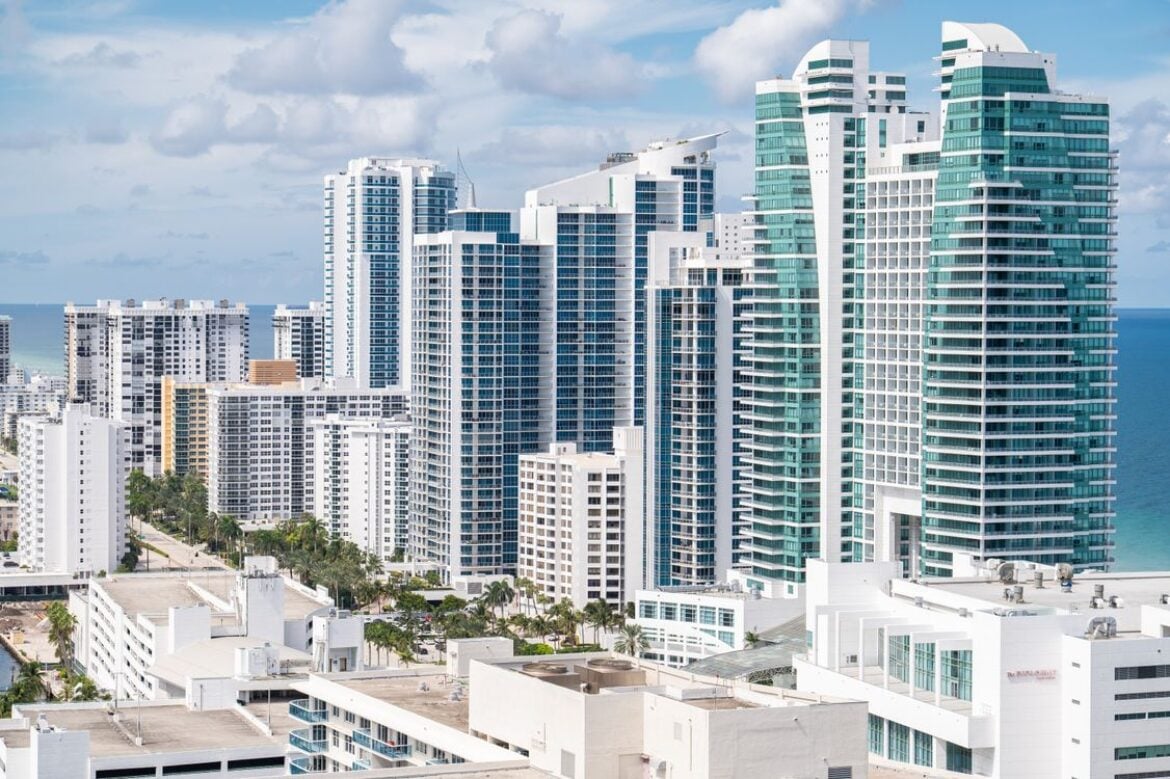
Miami’s luxury condo market is booming – Q2 2026 recorded 1,461 sales with average prices up 14.5% year-over-year. But behind the gleaming facades of some of the city’s most prestigious branded residences, a troubling pattern is emerging. In the first five months of 2026 alone, condo associations at three newly built luxury towers have filed lawsuits against their developers, alleging everything from cracked concrete and water intrusion to missing amenities and defective fire safety systems. These Miami condo construction defects have sent shockwaves through the luxury real estate market.
For high-net-worth buyers considering a Miami luxury condo purchase, these lawsuits are a wake-up call. Here’s what you need to know about the Miami condo construction defects wave, which buildings are affected, and how to protect yourself before signing on the dotted line.
In This Article
- Which Buildings Are Affected?
- Why Are Construction Defects Happening Now?
- How Defects Affect Insurance and Property Values
- Buyer’s Due Diligence Checklist
- Which Condos Are Getting It Right?
- What This Means for Miami’s Luxury Market
Miami Condo Construction Defects in 2026: Which Buildings Are Affected?
Three high-profile branded luxury towers in Miami are now embroiled in construction defect litigation, each alleging serious structural and design failures that have shocked residents who paid millions for their units.
Aston Martin Residences – Downtown Miami
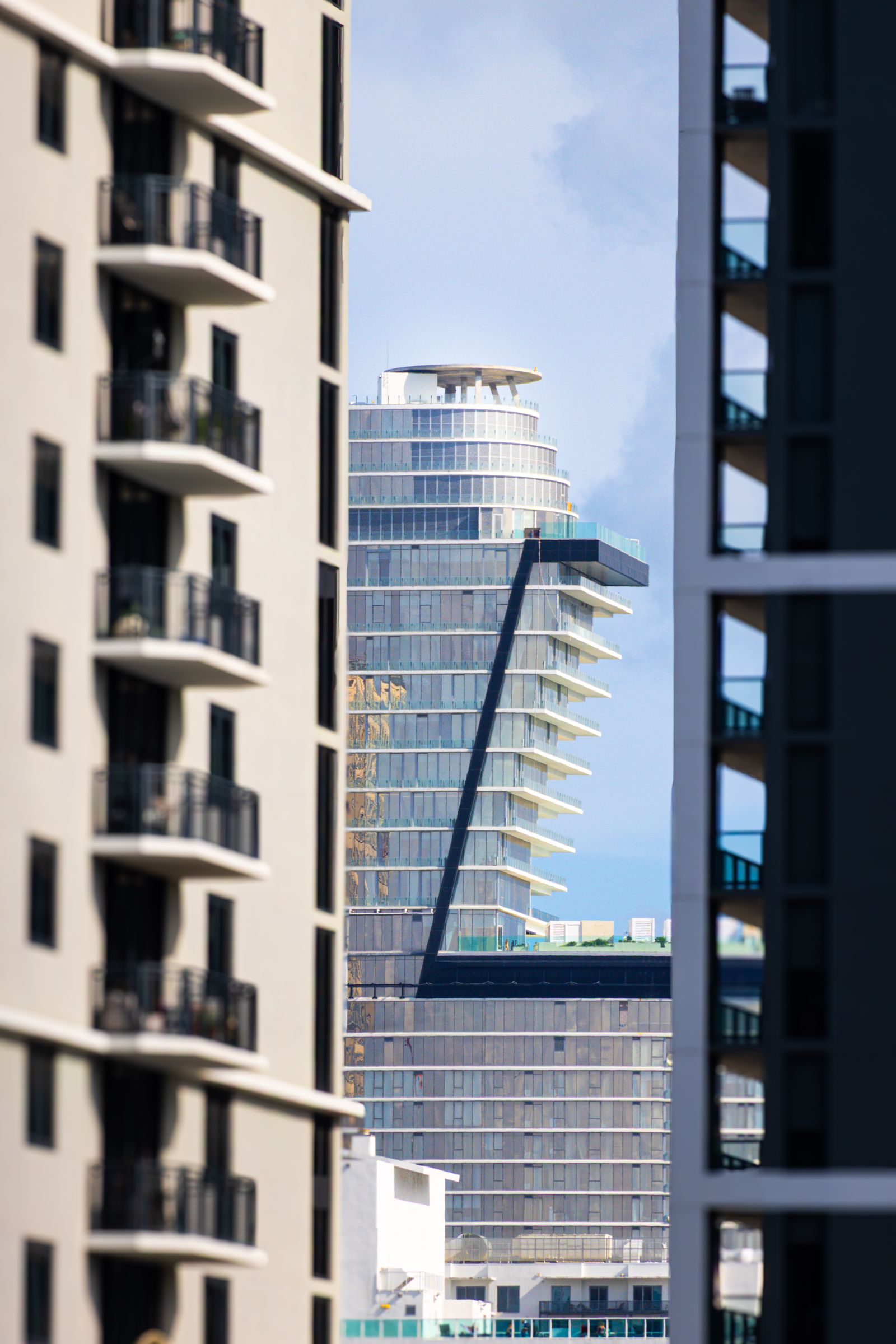
The world’s first Aston Martin-branded residential tower, a 66-story, $1 billion development at 300 Biscayne Boulevard Way, faces two separate lawsuits filed within ten weeks of each other. The first, filed in February 2026, alleges fraud, self-dealing, and the omission of promised amenities including a marina and helipad. The second, filed April 15 under Florida Statute 558, targets an affiliate of G&G Business Developments, general contractor Coastal Construction, Revuelta Architecture International, and approximately a dozen subcontractors.
The defects alleged are extensive: cracked concrete on balconies, exposed post-tension tendons, waterproofing failures, seawall cracks and corrosion, elevator defects, fire system leaks, pool and spa waterproofing failures, a drooping balcony, loose fire sprinkler joints, and water intrusion throughout the building. The association is seeking at least $750,000 in damages and court-ordered repairs.
Missoni Baia – Edgewater
The 60-story, 249-unit Missoni Baia tower in Edgewater is facing a lawsuit filed January 30, 2026, by the 700 Edgewater Condominium Association in Miami-Dade Circuit Court. The complaint names OKO Group, design firms Asymptote and Revuelta, general contractor Civic Construction, and 19 subcontractors.
The association’s complaint lists a staggering 76 alleged construction and design defects, including cracks in floor slabs, foundations, and columns; water intrusion in units, stairwells, and the parking garage; defective fire-alarm devices and sprinklers; leaks in pool plumbing; portions of the tower lacking hot water; and non-functioning elevators. For a building where units sold from $600,000 to over $4 million, these allegations are deeply concerning.
Amrit Ocean Resort – Singer Island
The Amrit Ocean Resort & Residences, a wellness-focused luxury development on Singer Island, has also joined the wave of litigation. While details are still emerging, the condo association has filed suit after completing the mandatory Chapter 558 pre-suit process, alleging construction defects similar in nature to those at the other two towers.
Why Are Miami Condo Construction Defects Happening Now?
Miami’s construction defect wave didn’t happen in a vacuum. Several factors converged to create what insurance experts are calling “ground zero” for construction litigation in the United States.
The pandemic-era building boom. Between 2020 and 2024, developers raced to meet explosive demand from buyers fleeing high-tax states like New York and California for Miami. This urgency led to compressed construction timelines, labor shortages, and in some cases, the use of cheaper materials than originally specified.
Supply chain disruptions. COVID-era supply chain issues forced builders to substitute materials and scramble for available subcontractors, sometimes compromising quality control standards that luxury buyers expect.
Florida’s statute of limitations. Under Florida law, condo associations have a limited window to identify and file claims for construction defects – typically within 10 years of substantial completion. As pandemic-era towers complete their turnover to resident-controlled boards, these boards are hiring engineers to inspect their buildings and discovering problems that were previously hidden or ignored.
Post-Surfside scrutiny. The tragic collapse of Champlain Towers South in 2021 fundamentally changed how Florida approaches building safety. New legislation requires more rigorous inspections, and condo boards are taking their oversight responsibilities far more seriously.
How Miami Condo Construction Defects Affect Insurance and Property Values
Miami condo construction defects and lawsuits don’t just affect the buildings named in the complaints. According to Bisnow, these lawsuits are driving up liability insurance costs across the entire South Florida development industry. Insurance experts predict the litigation will “continue to spike for the next several years,” creating a ripple effect that touches every new project in the pipeline.
For current owners in affected buildings, the consequences are immediate: special assessments to fund litigation, uncertainty about property values during ongoing lawsuits, and the inconvenience of living through repairs. For prospective buyers, these cases underscore the importance of thorough due diligence before purchasing in any new development condo.
Protecting Yourself from Miami Condo Construction Defects: A Buyer’s Due Diligence Checklist
The construction defect wave doesn’t mean you should avoid Miami luxury condos – the market fundamentals remain strong, with inventory tightening and prices appreciating across premium neighborhoods. But it does mean buyers should be more strategic than ever. Here’s what smart buyers are doing:
1. Research the developer’s track record. Look beyond the brand name on the building. Who is the actual developer? What other projects have they completed? Have any of their previous buildings faced litigation? A name like Aston Martin or Missoni on the facade doesn’t guarantee the construction quality matches the brand’s reputation – the automobile or fashion company typically licenses its name but doesn’t oversee construction.
2. Review the general contractor. The general contractor is the entity responsible for day-to-day construction quality. Research their history, safety record, and whether they’ve been involved in previous defect claims.
3. Hire an independent inspector. Before closing on a new construction unit, hire your own licensed engineer or inspector to conduct a thorough walkthrough. Don’t rely solely on the developer’s punch list process.
4. Read the condo documents carefully. Pay close attention to the declaration of condominium, the developer’s warranty provisions, and any arbitration clauses that might limit your legal options. A qualified real estate attorney is essential for this review.
5. Check the building’s reserve study and insurance. For existing buildings, request the most recent reserve study and insurance documentation. Underfunded reserves or unusually high insurance premiums can be red flags.
6. Work with an experienced luxury real estate advisor. An advisor who specializes in Miami’s luxury market can provide insights into developer reputations, building quality, and potential risks that you won’t find in marketing brochures. Contact David Nguah at Douglas Elliman for expert guidance on navigating Miami’s luxury condo market.
Which Miami Luxury Condos Are Getting It Right?
While the headlines focus on problematic buildings, it’s important to recognize that many Miami luxury developments are delivering exceptional quality. Buildings with established developer track records and top-tier general contractors continue to set the standard for luxury living.
Developments like The Perigon Miami Beach, which topped off in March 2026, and St. Regis Brickell are being developed by teams with deep experience in ultra-luxury construction. Baccarat Residences Miami and Rivage Bal Harbour have also attracted buyers who value proven quality over flashy branding.
The key differentiator? Developer experience and reputation. Buyers who focus on the people behind the project rather than the logo on the building tend to fare better in the long run. Buildings on Fisher Island, in South Beach, and along the Miami Beach waterfront continue to command premium prices because of consistent construction quality and established management.
What This Means for Miami’s Luxury Market Going Forward
Despite the litigation, Miami’s luxury real estate market shows no signs of slowing. Q2 2026 data confirms average prices are up 14.5% year-over-year, and the ultra-luxury segment ($10M+) is on pace for nearly 430 transactions by year’s end. Miami’s most expensive properties continue to attract global wealth.
The construction defect wave may actually strengthen the market in the long run by raising quality standards across the industry. Developers who cut corners will face consequences, and buyers are becoming more sophisticated about evaluating what they’re purchasing. Despite these Miami condo construction defects, the branded residences trend isn’t going away – but the expectation of accountability is growing.
For buyers considering Miami penthouses or luxury condos in Brickell, Miami Beach, or Bal Harbour, the message is clear: do your homework, work with an experienced advisor, and don’t let a famous brand name substitute for genuine due diligence.
Frequently Asked Questions About Miami Condo Construction Defects
Which Miami luxury condos have construction defect lawsuits in 2026?
Three major Miami luxury condo towers are currently facing construction defect lawsuits: Aston Martin Residences in Downtown Miami (66 stories, filed February 2026), Missoni Baia in Edgewater (60 stories, 76 alleged defects, filed January 2026), and Amrit Ocean Resort on Singer Island. All three lawsuits allege issues including cracked concrete, water intrusion, and defective fire safety systems.
How can I protect myself when buying a Miami luxury condo?
Smart buyers follow a six-step due diligence checklist: research the developer’s track record beyond the brand name, investigate the general contractor’s history, hire an independent licensed engineer for a pre-closing inspection, have a real estate attorney review all condo documents, check the building’s reserve study and insurance documentation, and work with an experienced luxury real estate advisor who knows developer reputations firsthand.
Do construction defect lawsuits affect Miami condo property values?
Yes. Buildings involved in active litigation often face special assessments, uncertainty about property values, and rising liability insurance premiums. However, the broader Miami luxury market remains strong — Q2 2026 shows prices up 14.5% year-over-year. The impact is concentrated on the specific buildings named in lawsuits, not the market as a whole.
Contact David Nguah – Your Miami Luxury Real Estate Advisor
Navigating Miami’s luxury condo market requires more than browsing listings – it requires an advisor who understands developer reputations, construction quality, and the nuances that separate a great investment from a costly mistake. David Nguah at Douglas Elliman brings deep market expertise and a commitment to protecting his clients’ interests.
Whether you’re buying your first Miami luxury condo or adding to your portfolio, David provides the insight and guidance you need to make confident decisions. Contact David Nguah at (786) 200-3966 or info@miamisrealestate.com for a confidential consultation.